


SLR Consulting: TSF retreatment turns legacy environmental risk into long-term mining value


Danie Otto, Asset Transition and Closure Business Lead at SLR Consulting.
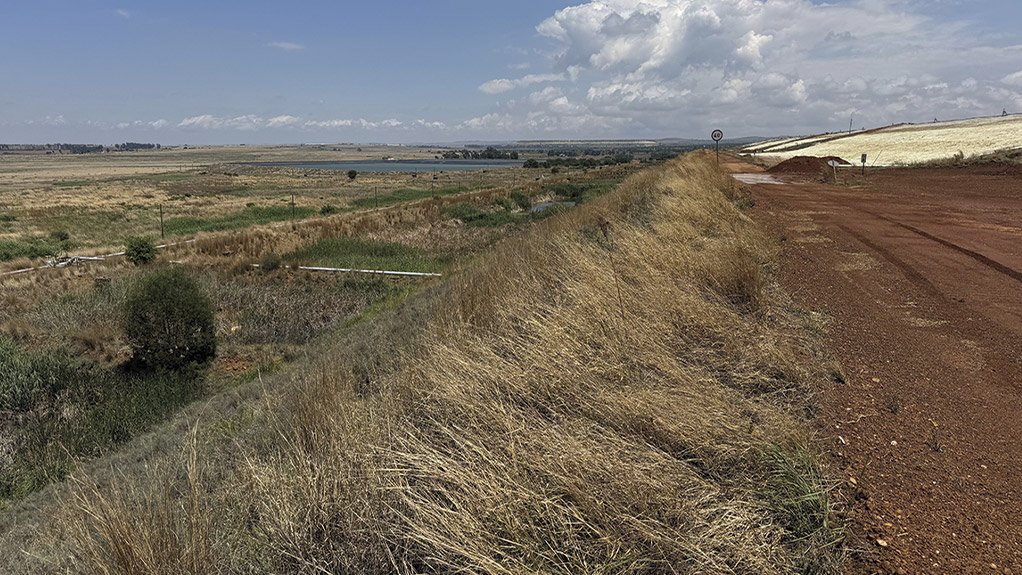
Concurrent rehabilitation of a Tailings Storage Facility (TSF) helps reduce environmental risk by stabilising exposed areas during operations while supporting long-term dust suppression, erosion control and progressive ecosystem restoration.
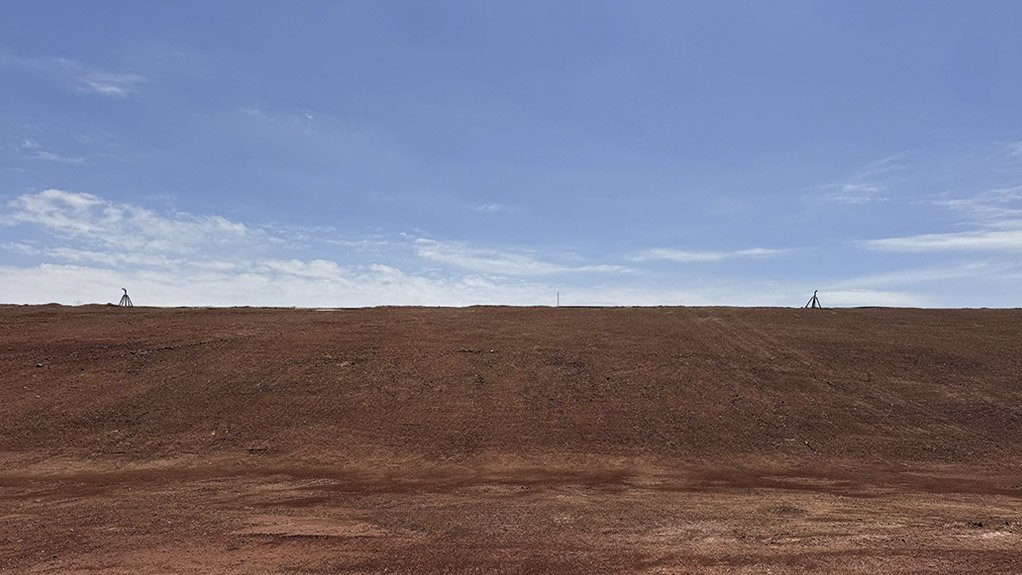
A topsoil-clad Tailings Storage Facility (TSF) utilising dust suppression and irrigation water cannons helps minimise airborne dust emissions while supporting vegetation establishment and improved environmental management.
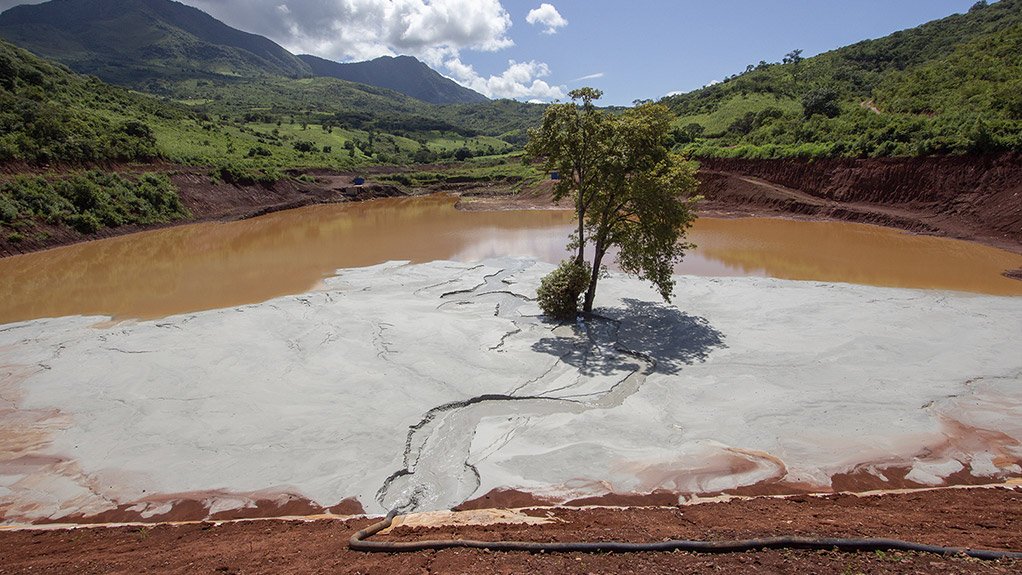
Tailings storage facility (TSF) retreatment is helping mining companies unlock additional mineral value while reducing long-term environmental liabilities and improving compliance with modern standards.





This article has been supplied.
The retreatment of tailings storage facilities (TSFs) is emerging as one of the mining industry’s most compelling opportunities to unlock value while addressing legacy environmental risks.
According to Danie Otto, Asset Transition and Closure Business Lead at SLR Consulting, the opportunity is being driven by significant shifts in the scale, technology and regulatory context surrounding tailings management. Otto, who is also President of the Land Rehabilitation Society of Southern Africa, says retreatment enables a fundamental reset in environmental compliance.
“When historic tailings are reprocessed and relocated, they must be deposited in facilities designed to meet modern regulatory requirements, including the Global Industry Standard on Tailings Management,” he explains. “This represents a step change from older TSFs which were established under far less stringent standards.”
Modern facilities can now be designed, constructed and managed using today’s professional expertise and the latest pollution control technologies. These include engineered liners, drainage systems and water recovery infrastructure that significantly reduce seepage risks.
“In effect, retreatment allows companies to upgrade their legacy environmental risks into assets that comply with current best practice,” Otto says. “This is something that would be far more difficult to achieve in situ with an old TSF.”
While TSF retreatment remains strongly driven by economics, many historic dumps still contain valuable recoverable minerals. Gold, in particular, has become increasingly attractive as commodity prices have strengthened. However, the financial upside extends well beyond mineral recovery.
“By removing legacy deposits and relocating material to modern facilities, mining companies can significantly reduce long-term environmental liabilities,” he says. “This reduces the liability of continuous seepage treatment and continuous dust prevention, for instance, as these features are more efficiently built into the new systems.”
Advances in technology are further supporting this transition. Otto highlights developments in geosynthetic materials and liners as one of the most important innovations shaping modern TSFs.
“An important field of development is in geosynthetic materials and liners which form the backbone of pollution control in modern TSFs,” he says. “These systems prevent contamination by capturing and recycling seepage from the TSF, preventing it from infiltrating the surrounding environment.”
At the same time, erosion control technologies such as biodegradable netting are transforming rehabilitation efforts. These nets reduce wind force, minimise dust pollution and create more favourable conditions for vegetation to establish and thrive. Because they are made from organic materials, they biodegrade over time and contribute positively to the surrounding ecosystem.
“On the biological front, innovations in phytoremediation and microbiology are pushing the boundaries even further,” Otto continues. “Scientists are now able to deploy bacteria and plants that actively neutralise pollutants, absorb heavy metals and improve soil conditions.”
Using bacteria that consume acid, professional scientists have been able to extract sulphates and generate carbonates from TSFs, effectively producing alkaline conditions from acidic environments. Similarly, certain plant species act as hyper-accumulators, drawing contaminants from tailings and storing them in biomass that can then be removed from the system.
“While it is difficult to render tailings completely inert, these technologies significantly reduce environmental risk and improve ecological outcomes,” he says.
Beyond containment and remediation, modern TSF strategies are also aligning with broader sustainability goals such as biodiversity restoration and carbon sequestration.
“Relocating tailings and creating new storage facilities opens the door to modern interventions that support vegetation growth, prevent erosion and encourage ecological succession,” Otto explains. “This makes it more viable to gradually transform engineered landscapes into functioning ecosystems.”
In some cases, these efforts may also generate additional revenue streams through carbon and biodiversity credits, further strengthening the commercial case for rehabilitation.
Despite ongoing challenges around compliant mine closure - particularly mine closure certification - Otto emphasises that TSF retreatment remains one of the most practical and impactful pathways for addressing mining’s environmental legacy.
“By combining economic incentives with technological innovation and stricter regulatory frameworks, retreatment offers a rare alignment of interests between industry, regulators and society,” he concludes.
Article Enquiry
Email Article
Save Article
Feedback
To advertise email advertising@creamermedia.co.za or click here
Research Reports

Projects

Latest Multimedia


Showroom

Sulzer South Africa, established in 1922, partners with critical industries like power, oil & gas, water, mining, and chemicals to boost...
VISIT SHOWROOM
Rooted in the hearts of South Africans, combining technology and a quest for perfection to bring you a battery of peerless standing. Willard...
VISIT SHOWROOM



Press Office
Announcements
What's On
Subscribe to improve your user experience...
Option 1 (equivalent of R125 a month):
Receive a weekly copy of Creamer Media's Engineering News & Mining Weekly magazine
(print copy for those in South Africa and e-magazine for those outside of South Africa)
Receive daily email newsletters
Access to full search results
Access archive of magazine back copies
Access to Projects in Progress
Access to ONE Research Report of your choice in PDF format
Option 2 (equivalent of R375 a month):
All benefits from Option 1
PLUS
Access to Creamer Media's Research Channel Africa for ALL Research Reports, in PDF format, on various industrial and mining sectors
including Electricity; Water; Energy Transition; Hydrogen; Roads, Rail and Ports; Coal; Gold; Platinum; Battery Metals; etc.
Already a subscriber?
Forgotten your password?
Receive weekly copy of Creamer Media's Engineering News & Mining Weekly magazine (print copy for those in South Africa and e-magazine for those outside of South Africa)
➕
Recieve daily email newsletters
➕
Access to full search results
➕
Access archive of magazine back copies
➕
Access to Projects in Progress
➕
Access to ONE Research Report of your choice in PDF format
RESEARCH CHANNEL AFRICA
R4500 (equivalent of R375 a month)
SUBSCRIBEAll benefits from Option 1
➕
Access to Creamer Media's Research Channel Africa for ALL Research Reports on various industrial and mining sectors, in PDF format, including on:
Electricity
➕
Water
➕
Energy Transition
➕
Hydrogen
➕
Roads, Rail and Ports
➕
Coal
➕
Gold
➕
Platinum
➕
Battery Metals
➕
etc.
Receive all benefits from Option 1 or Option 2 delivered to numerous people at your company
➕
Multiple User names and Passwords for simultaneous log-ins
➕
Intranet integration access to all in your organisation
