Understanding What BPM Really Means in Today’s Tech Landscape

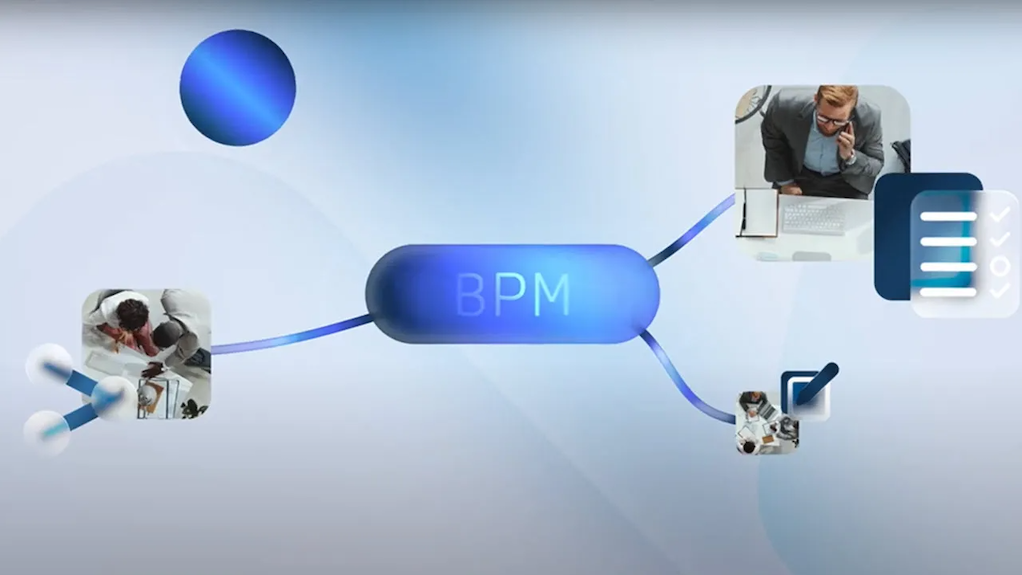



This article has been supplied.
If you’ve been exploring ways to improve efficiency, automate workflows, or bring more structure to operations, you’ve probably come across the term what is bpm. Short for Business Process Management, BPM is more than just a buzzword. It’s a practical approach that helps organizations design, execute, monitor, and optimize their processes. Companies like Dassault Systèmes have been pushing this concept forward by integrating it with advanced digital tools, making BPM increasingly relevant across industries.
At its core, BPM is about understanding how work gets done and finding smarter ways to do it. Whether in manufacturing, mining, or tech, the goal is the same: reduce inefficiencies, cut costs, and improve outcomes.
The Basics: What Is BPM?
Business Process Management is a structured method for analyzing and improving business processes. A “process” can be anything from onboarding a new employee to managing supply chains or handling customer service requests.
Instead of treating these activities as isolated tasks, BPM looks at them as part of a connected system. This perspective allows companies to identify bottlenecks, redundancies, and areas where automation can make a real difference.
A typical BPM lifecycle includes:
- Designing processes: Mapping out how tasks should flow
- Modeling workflows: Simulating different scenarios
- Executing processes: Implementing them in real operations
- Monitoring performance: Tracking efficiency and outcomes
- Optimizing continuously: Making improvements based on data
This cycle is ongoing. BPM is not a one-time fix; it’s a continuous improvement strategy.
Why BPM Matters in Industrial and Tech Sectors
In sectors like mining and heavy industry, processes are often complex and interconnected. A delay in one area can ripple across the entire operation. BPM helps manage this complexity by creating transparency.
For example, in mining operations, BPM can streamline:
- Equipment maintenance schedules
- Safety compliance procedures
- Resource allocation
- Data reporting and decision-making
By standardizing these processes, companies reduce risks and improve reliability. In high-stakes environments, that’s critical.
In the broader tech space, BPM supports digital transformation. It acts as the backbone that connects software systems, data flows, and human decision-making.
BPM and Digital Transformation
Digital transformation isn’t just about adopting new technology. It’s about rethinking how work is done. BPM plays a central role here.
Modern BPM platforms integrate with tools like cloud computing, AI, and IoT. This allows organizations to move from reactive operations to proactive ones.
For instance:
- Automation reduces manual work and errors
- Real-time analytics provide insights into process performance
- AI-driven optimization suggests improvements automatically
According to insights from McKinsey & Company, companies that actively manage and optimize their processes can significantly improve productivity and reduce operational costs. This highlights how BPM is not just a technical tool but a strategic advantage.
Key Benefits of Implementing BPM
Organizations that adopt BPM often see tangible improvements fairly quickly. Some of the most notable benefits include:
Improved Efficiency
By mapping and refining workflows, companies eliminate unnecessary steps. This leads to faster execution and better use of resources.
Greater Transparency
BPM systems provide visibility into every stage of a process. Managers can see what’s happening in real time and make informed decisions.
Enhanced Compliance
In regulated industries like mining, compliance is non-negotiable. BPM ensures that processes follow required standards and that documentation is consistent.
Better Collaboration
When processes are clearly defined, teams know their roles and responsibilities. This reduces confusion and improves coordination.
Scalability
As businesses grow, processes become more complex. BPM frameworks make it easier to scale operations without losing control.
Common Challenges When Adopting BPM
Despite its advantages, BPM is not always easy to implement. Many organizations face challenges such as:
- Resistance to change: Employees may be hesitant to adopt new systems
- Lack of clear strategy: Without defined goals, BPM initiatives can lose direction
- Integration issues: Connecting BPM tools with existing systems can be complex
- Data quality problems: Poor data can undermine process optimization efforts
The key to overcoming these challenges is to start small, focus on high-impact processes, and build from there.
How BPM Is Evolving
BPM is no longer just about flowcharts and documentation. It’s evolving into a more dynamic and intelligent discipline.
Some of the latest trends include:
Intelligent BPM (iBPM)
This combines traditional BPM with AI and machine learning. Systems can now learn from data and suggest process improvements automatically.
Low-Code and No-Code Platforms
These tools allow non-technical users to design and modify workflows. This speeds up implementation and reduces reliance on IT teams.
Integration with Digital Twins
In industrial contexts, BPM is increasingly linked with digital twin technology. This allows companies to simulate processes in a virtual environment before applying changes in the real world.
Real-Time Process Monitoring
With IoT and advanced analytics, organizations can monitor processes as they happen and respond instantly to issues.
Practical Example: BPM in Action
Imagine a mining company managing equipment maintenance. Without BPM, maintenance might be reactive, happening only after a breakdown.
With BPM in place:
- Sensors track equipment performance
- Data is analyzed in real time
- Maintenance workflows are triggered automatically
- Teams are notified and assigned tasks
- Results are logged and used to improve future processes
The result is fewer breakdowns, lower costs, and improved safety.
Getting Started with BPM
If you’re considering BPM, the best approach is to begin with a clear objective. Identify a process that:
- Has measurable impact
- Involves multiple steps or teams
- Suffers from inefficiencies
Map it out, analyze it, and look for opportunities to improve. From there, you can expand BPM practices across the organization.
It’s also important to choose the right tools and partners. Platforms that integrate well with existing systems and support future growth will provide the most value.
Final Thoughts
Understanding what BPM is and how it works can open the door to significant operational improvements. It’s not just about technology. It’s about creating smarter, more efficient ways of working.
As industries continue to digitize, BPM will play an even bigger role in shaping how businesses operate. For companies in mining, tech, and beyond, adopting BPM is less about keeping up with trends and more about staying competitive in a rapidly changing world.
Article Enquiry
Email Article
Save Article
Feedback
To advertise email advertising@creamermedia.co.za or click here
Research Reports

Projects

Latest Multimedia


Latest News

Showroom

CSIR International Convention Centre (CSIR ICC) - the leading conference and events venue in Pretoria/Tshwane.
VISIT SHOWROOM
Design, Construction and Maintenance of Site Erected, Welded Bulk Storage Tanks for the Petrochemical, LNG, Ammonia and Sustainable fuel Sectors.
VISIT SHOWROOM



Press Office
Announcements
What's On
Subscribe to improve your user experience...
Option 1 (equivalent of R125 a month):
Receive a weekly copy of Creamer Media's Engineering News & Mining Weekly magazine
(print copy for those in South Africa and e-magazine for those outside of South Africa)
Receive daily email newsletters
Access to full search results
Access archive of magazine back copies
Access to Projects in Progress
Access to ONE Research Report of your choice in PDF format
Option 2 (equivalent of R375 a month):
All benefits from Option 1
PLUS
Access to Creamer Media's Research Channel Africa for ALL Research Reports, in PDF format, on various industrial and mining sectors
including Electricity; Water; Energy Transition; Hydrogen; Roads, Rail and Ports; Coal; Gold; Platinum; Battery Metals; etc.
Already a subscriber?
Forgotten your password?
Receive weekly copy of Creamer Media's Engineering News & Mining Weekly magazine (print copy for those in South Africa and e-magazine for those outside of South Africa)
➕
Recieve daily email newsletters
➕
Access to full search results
➕
Access archive of magazine back copies
➕
Access to Projects in Progress
➕
Access to ONE Research Report of your choice in PDF format
RESEARCH CHANNEL AFRICA
R4500 (equivalent of R375 a month)
SUBSCRIBEAll benefits from Option 1
➕
Access to Creamer Media's Research Channel Africa for ALL Research Reports on various industrial and mining sectors, in PDF format, including on:
Electricity
➕
Water
➕
Energy Transition
➕
Hydrogen
➕
Roads, Rail and Ports
➕
Coal
➕
Gold
➕
Platinum
➕
Battery Metals
➕
etc.
Receive all benefits from Option 1 or Option 2 delivered to numerous people at your company
➕
Multiple User names and Passwords for simultaneous log-ins
➕
Intranet integration access to all in your organisation