Sustainability means future-proofing Africa’s economy

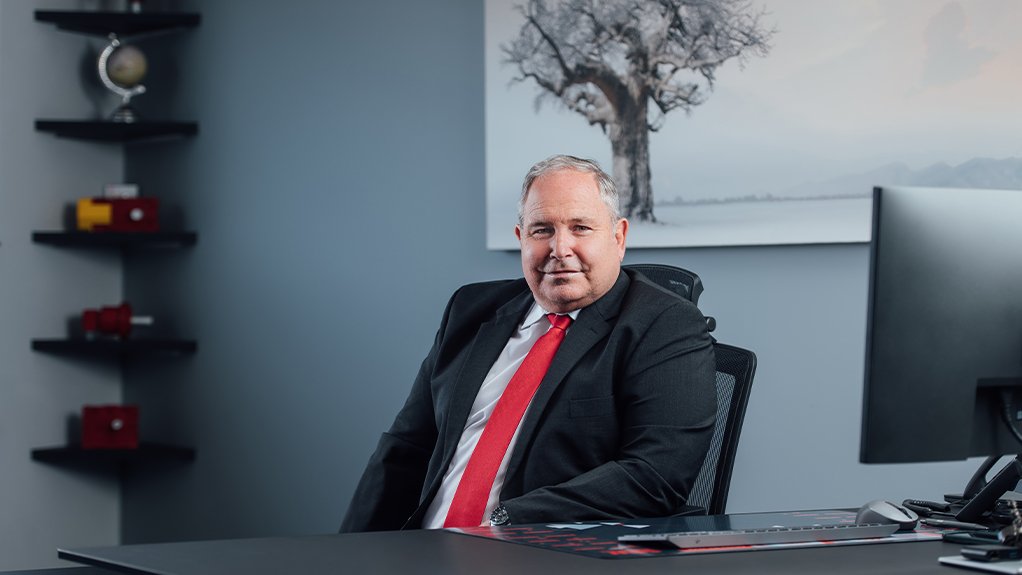



By SEW-EURODRIVE South Africa MD Raymond Obermeyer
Across Africa, we find ourselves in a familiar and frustrating situation. Large global corporations are eager to access our markets and benefit from our resources yet many show little commitment to investing in the long term wellbeing of our economies. Too often, value is extracted from the continent while the deeper opportunities to build capacity, create jobs and uplift communities are overlooked. This narrow approach is counterproductive to the very sustainability these companies claim to champion.
The root of the problem lies in how sustainability is commonly misunderstood. In boardrooms and annual reports, it is often presented as a checklist of visible initiatives - a set of actions that demonstrate environmental consciousness. Solar panels on the roof of a head office, recycling bins in the canteen or a token investment in carbon credits are held up as evidence of commitment. While these efforts are not without merit, they fall far short of what true sustainability demands.
Sustainability is not a decorative add-on; it is the foundation of resilience and future prosperity. It is about future-proofing a business in ways that align with and reinforce the future of the society and environment in which that business operates.
For a company operating in Africa, this means contributing meaningfully to industrial development, job creation, skills transfer and innovation. It means committing to local manufacturing, investing in technology that uplifts productivity and embedding itself as a long term partner in the region’s growth. In this way, sustainability becomes a shared outcome - the company thrives, the economy gains resilience and the environment is better protected through more efficient and responsible practices.
Ripple Effect of True Investment
When businesses invest locally, the ripple effect is profound. Consider the difference between importing finished goods versus manufacturing or assembling them locally. The latter option stimulates a value chain - it creates direct employment, builds supplier networks, nurtures skills and stimulates innovation within local industries. Each of these outcomes strengthens the economy which in turn creates a healthier environment for business to operate.
The same applies to skills development. Training and mentoring young people not only addresses immediate labour needs but also equips future generations with the expertise to drive industrial progress. This ensures continuity, fosters innovation and reduces dependence on external support. A society with a skilled workforce becomes a more attractive investment destination, further compounding the benefits.
This interconnectedness is what makes sustainability so powerful. It is not just about reducing environmental impact; it is about building systems that reinforce each other for long term viability. When a company chooses to truly embed itself in its local context, it becomes a catalyst for broader transformation.
Africa’s Unique Context
Africa’s need for such an approach is particularly acute. Our continent is rich in natural resources but many of our economies remain vulnerable owing to overreliance on extraction and export. Without deeper industrialisation, local beneficiation and skills transfer, the cycle of dependency continues. Sustainability in the African context therefore requires moving beyond short term profits to long term partnership.
Global companies must recognise that Africa’s future - and by extension their own - depends on inclusive growth. This is not about corporate social responsibility as a side project, but about making sustainability integral to business strategy. Investing in local assembly plants, research facilities and training centres is not charity; it is a strategic decision that secures market relevance, customer trust and operational resilience.
SEW-EURODRIVE’s Perspective
At SEW-EURODRIVE, we have taken this philosophy to heart. As a global leader in drive technology, we could easily have chosen to simply import products into South Africa. Instead, we have built extensive local capacity - from assembly facilities to engineering expertise - that allows us to serve the region more effectively while also contributing to economic development.
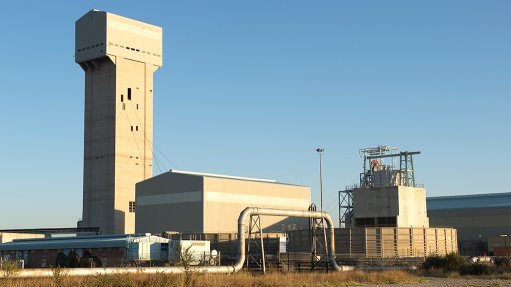
Our investment in two world class facilities in Aeroton, Johannesburg, for example, goes far beyond bricks and mortar. It represents a commitment to local skills, to shorter lead times for customers and to fostering an ecosystem of suppliers and partners. By manufacturing and assembling locally, we not only create jobs but also reduce the environmental footprint associated with long distance imports.
Equally important is our focus on skills development. We actively train and mentor young engineers and technicians, equipping them with the expertise to drive Africa’s industrial growth.
The alternative - sustainability as a tick-box exercise - ultimately fails both the business and society. Installing solar panels may reduce a company’s energy costs and improve its green credentials but if that company is simultaneously bypassing local suppliers, importing all its goods and failing to invest in skills, its impact remains superficial. Worse, it risks alienating communities and governments who increasingly demand real contributions from corporate stakeholders.
Customers, too, are becoming more discerning. They want to know not just about the performance of a product but about the integrity of the company behind it.
True sustainability, then, is about building partnerships.
The ripple effect is undeniable - stronger economies lead to stronger communities which in turn create more opportunities for businesses to innovate, expand and thrive.
Sustainability is not just about saving energy; it is about building resilience. It is not just about reducing waste; it is about creating opportunities. And it is not just about securing profits today; it is about ensuring that business and society can flourish together tomorrow.
Article Enquiry
Email Article
Save Article
Feedback
To advertise email advertising@creamermedia.co.za or click here
Research Reports

Projects

Latest Multimedia

Latest News
Showroom
Axiom Hydraulics is a trusted leader in South Africa’s hydraulic industry, delivering world-class components, systems, and engineering expertise...
VISIT SHOWROOM
Stewarts & Lloyds is a leading steel, tube, and engineering product supplier in South Africa.
VISIT SHOWROOM
Press Office
Announcements
What's On
Subscribe to improve your user experience...
Option 1 (equivalent of R125 a month):
Receive a weekly copy of Creamer Media's Engineering News & Mining Weekly magazine
(print copy for those in South Africa and e-magazine for those outside of South Africa)
Receive daily email newsletters
Access to full search results
Access archive of magazine back copies
Access to Projects in Progress
Access to ONE Research Report of your choice in PDF format
Option 2 (equivalent of R375 a month):
All benefits from Option 1
PLUS
Access to Creamer Media's Research Channel Africa for ALL Research Reports, in PDF format, on various industrial and mining sectors
including Electricity; Water; Energy Transition; Hydrogen; Roads, Rail and Ports; Coal; Gold; Platinum; Battery Metals; etc.
Already a subscriber?
Forgotten your password?
Receive weekly copy of Creamer Media's Engineering News & Mining Weekly magazine (print copy for those in South Africa and e-magazine for those outside of South Africa)
➕
Recieve daily email newsletters
➕
Access to full search results
➕
Access archive of magazine back copies
➕
Access to Projects in Progress
➕
Access to ONE Research Report of your choice in PDF format
RESEARCH CHANNEL AFRICA
R4500 (equivalent of R375 a month)
SUBSCRIBEAll benefits from Option 1
➕
Access to Creamer Media's Research Channel Africa for ALL Research Reports on various industrial and mining sectors, in PDF format, including on:
Electricity
➕
Water
➕
Energy Transition
➕
Hydrogen
➕
Roads, Rail and Ports
➕
Coal
➕
Gold
➕
Platinum
➕
Battery Metals
➕
etc.
Receive all benefits from Option 1 or Option 2 delivered to numerous people at your company
➕
Multiple User names and Passwords for simultaneous log-ins
➕
Intranet integration access to all in your organisation