Industry hails reforms but further recovery hinges on well-executed strategy

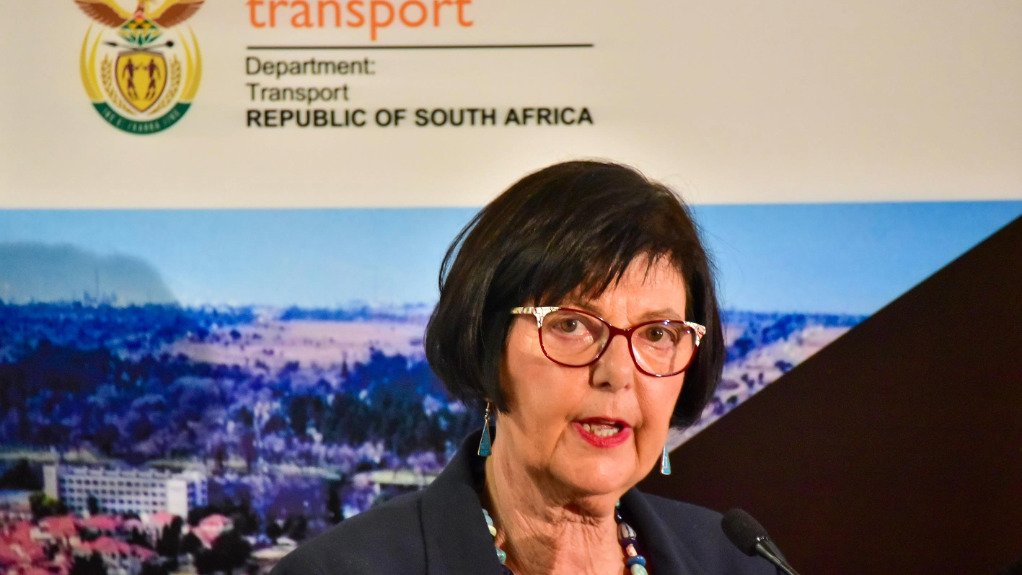
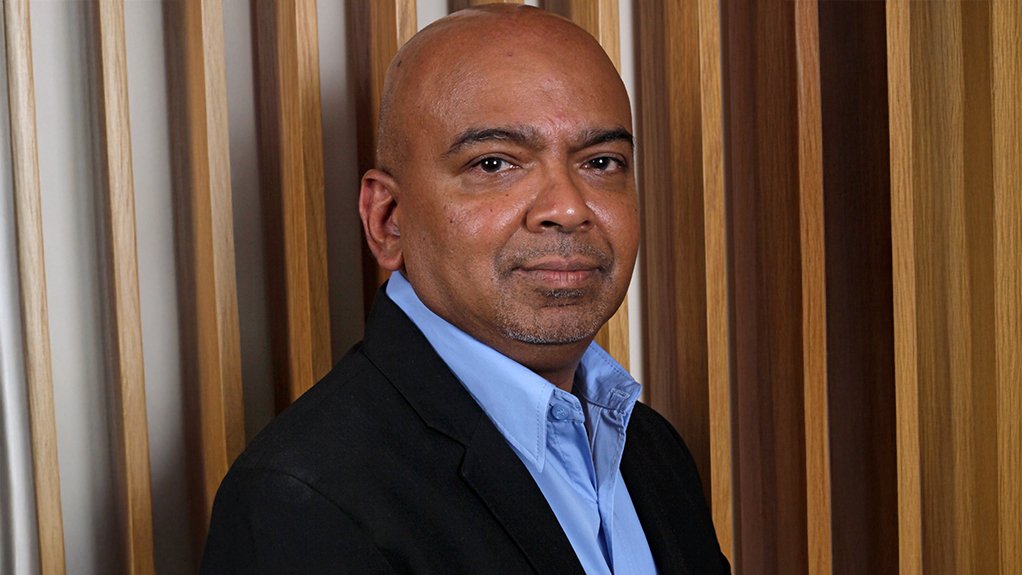

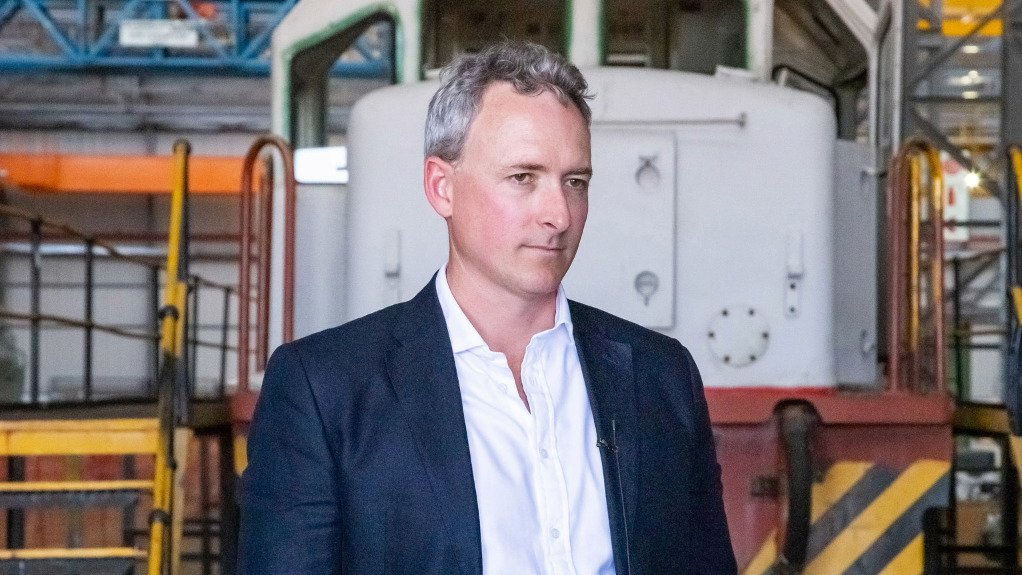
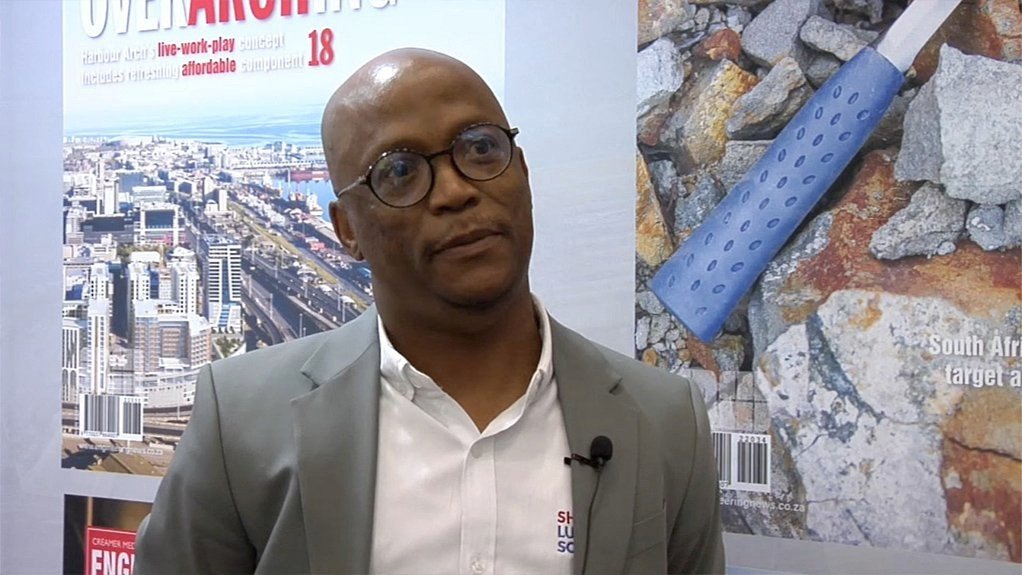
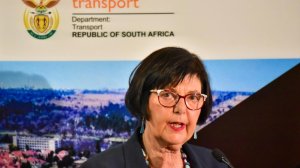
BARBARA CREECY We have to improve Transnet Freight Rail's performance [and] we have to fix the infrastructure through the involvement of both private and public investment
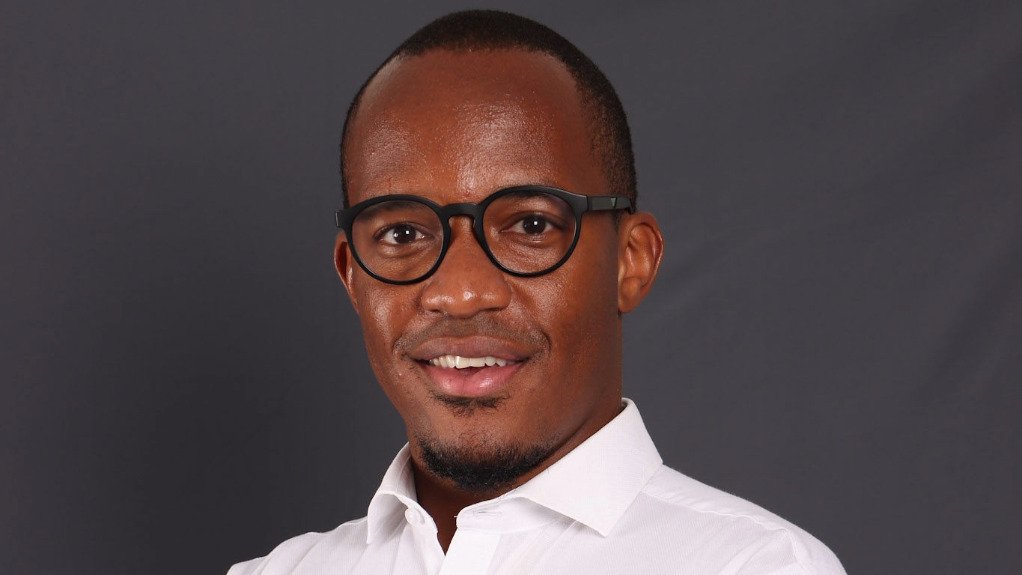
TAFADZWA CHIBANGUZA Inefficient logistics become a tax on the economy
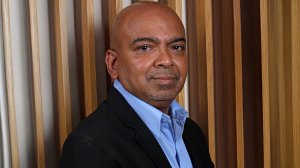
MERVYN NAIDOO South Africa has an extensive engineering capability that covers everything from rail infrastructure like signalling systems to trackside substations
LEON STEYN There are a lot of people in South Africa who know how to work a railway line, how to repair a railway line for the safe passage of a train
JAMES HOLLEY Directionally, we've been very happy with where the Department of Transport is taking rail reform in South Africa
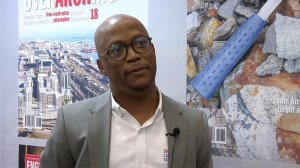
MPHO MOKWENA Without a functioning rail system, mines can't get their production onto the roads for local beneficiation and for exports
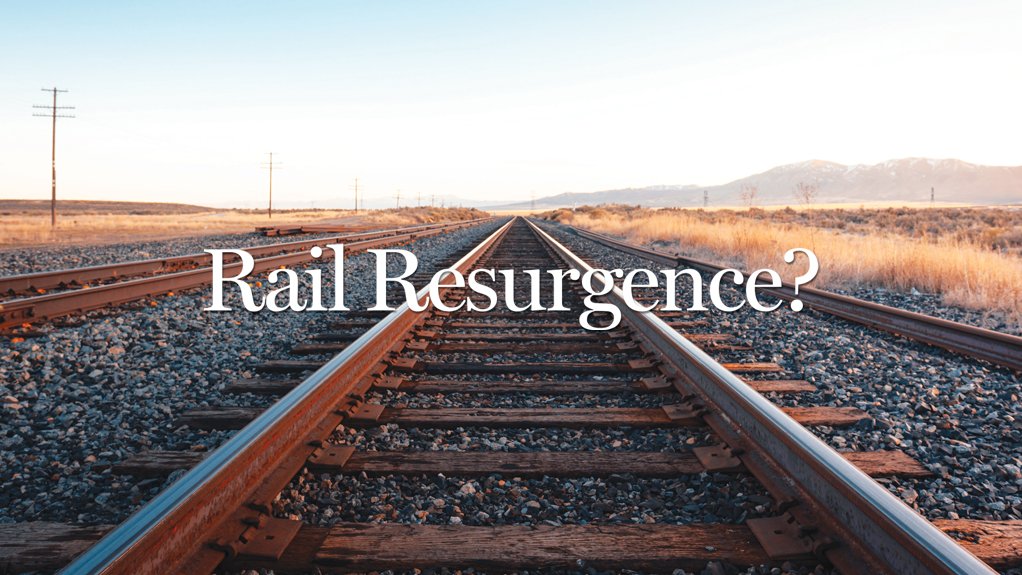
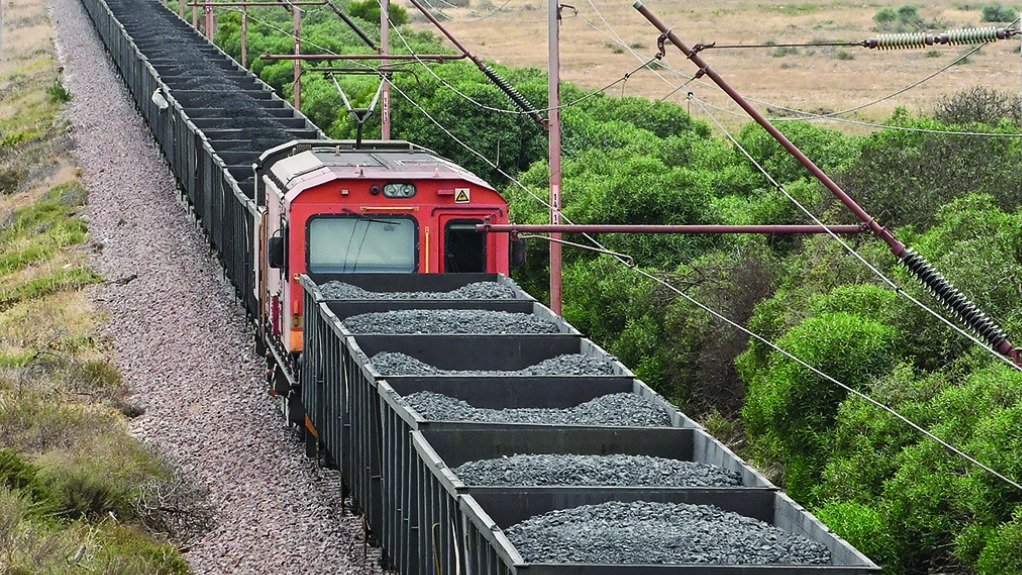
ON TRACK South Africa's rail recovery is gaining momentum as structural reforms, private sector investment and the approval of new train operating companies pave the way to restore freight capacity
Photo by Creamer Media
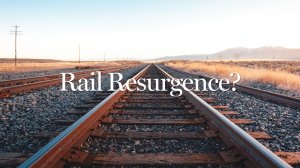



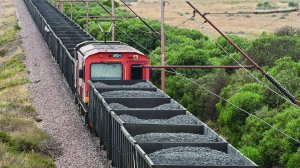


The Department of Transport’s efforts to open the freight rail network to private operators is gaining momentum, but restoring capacity, securing investment and translating policy changes into reliable services remain critical to unlocking the rail sector’s economic potential.
South Africa’s rail recovery also presents a fundamental challenge in that government urgently needs to restore a logistics system which has recently suffered from severe bottlenecks, while ensuring that the reforms intended to achieve this create a commercially sustainable and competitive freight market.
Although progress is being made in opening the network to private train operating companies and strengthening the regulatory framework, the ultimate test will be whether these measures can translate into improved freight capacity, more reliable services and lower logistics costs for critical industries dependent on rail.
This tension between the urgency of infrastructure recovery and the time required to establish a functional, investor-friendly rail market emerged during a Creamer Media webinar titled ‘Reform and Recovery: Are South Africa’s Rail Reforms Taking Shape and What’s Next?’, held on October 14.
During the webinar, Transport Minister Barbara Creecy outlined the progress government has made in implementing rail reforms, while industry representatives such as Steel and Engineering Industries Federation of Southern Africa (SEIFSA) CEO Tafadzwa Chibanguza, ACTOM Group CEO Mervyn Naidoo, Afri-Track Railway Construction project manager and adviser Leon Steyn, Traxtion CEO James Holley and Shell Lubricants technical and services manager Mpho Mokwena discussed the infrastructure, operational and commercial requirements for turning those commitments into tangible results.
At the heart of the discussion was the recognition that rail is a critical component of South Africa’s economic competitiveness, particularly for mining, manufacturing and export-oriented businesses.
“We want to make rail more efficient, more effective and ultimately more affordable, and to do this we have to introduce competitors to Transnet Freight Rail, we have to improve Transnet Freight Rail’s performance, we have to fix the infrastructure through the involvement of both private and public investment.
“All of those reforms mean that we have to create a level playing field because we know that Transnet was a vertical and horizontal monopoly. So we have to introduce a regulator who will determine the price around which different types of commodities can be carried, whether by Transnet or by private operators,” Creecy highlighted.
Meanwhile, Chibanguza described the sector’s importance to the wider economy, arguing that efficient logistics connect production to markets.
“Inefficient logistics become a tax on the economy, and the fact that we are on this repair agenda is a welcomed development. The fact that we are on a trajectory in the right direction in essence negates that tax,” Chibanguza said.
Opening to Private Participation
Creecy emphasised the progress made in implementing government’s rail reform programme, arguing that the process was gaining momentum after years of underinvestment and structural constraints.
She reported that freight capacity had increased by more than 20-million tonnes over the past two years, indicating progress in improving the system.
A central element of the reform programme is the introduction of private train operating companies onto the national rail network. Creecy noted that 11 operators had been approved, with government hoping that they would commence operations in April 2027.
Their entry was expected to add a further 24-million tonnes of freight capacity, expanding the volume of goods that could be transported by rail and potentially easing pressure on other parts of the logistics system.
For mining and agricultural companies and other bulk freight users, this additional capacity could improve the movement of commodities and products to ports and domestic customers.
“Without a functioning rail system, mines can’t get their production onto the roads for local beneficiation and for exports. Farmers can’t get their produce for exports or even for local beneficiation as well. So, the transport sector as a whole is key,” Mokwena said.
He added that greater rail availability could also help reduce reliance on road transport for freight that is better suited to rail, although the extent of any shift would depend on service reliability, pricing and the availability of appropriate infrastructure.
Government has also been working to provide greater certainty for prospective operators through changes to network access arrangements.
Creecy referred to the fourth network statement and plans to extend access agreements from ten to 15 years, explaining that longer agreements could give operators greater certainty when assessing investments in locomotives, rolling stock and other operating requirements, while providing a longer period over which to recover those investments.
The reforms are intended to create a more open operating environment in which private companies can contribute capacity and compete to provide freight services, while the national network remains available to multiple operators.
However, approving operators and establishing access arrangements are only initial steps. The practical success of the model will depend on whether train operators can secure dependable access to functioning infrastructure, coordinate services effectively and deliver commercially competitive freight solutions.
Embedding Reform
The institutional separation of Transnet’s freight operations from infrastructure management is another important component of the reform process. Distinguishing the management of the network from train operations is intended to support more transparent access and establish a framework within which different operators can use the infrastructure.
Creecy also pointed to the legislative and regulatory work needed to sustain these changes, highlighting that the National Rail Master Plan, the Rail Bill and the Transport Economic Regulator Act of 2024 form part of the broader effort to establish a more durable framework for the sector.
The objective, she said, is to ensure that rail reform does not remain dependent on the priorities of a particular administration, but becomes embedded in the institutions and rules governing the transport system.
For investors, such continuity matters because rail assets are capital-intensive and require long investment horizons.
While government’s reform programme is intended to create the conditions for recovery, the private sector’s contributions have highlighted the physical and operational requirements that must accompany institutional change.
The webinar panellists agreed that private participation cannot deliver its full potential if infrastructure is unable to accommodate additional trains or if services remain unreliable.
The condition and availability of the rail network therefore remain central to determining how quickly approved operators could begin contributing capacity.
Notably, Steyn stressed the importance of taking a measured approach to the rehabilitation of the country’s rail infrastructure.
“We must start slowly. We are already on track but we should also start including smaller private sector rail maintenance teams to work on shorter sections of railway lines. There are a lot of people in South Africa who know how to work a railway line, how to repair a railway line for the safe passage of a train,” he argued.
This observation points to the scale of the task facing the rail sector as restoring rail performance requires prioritising interventions, directing resources towards critical infrastructure and ensuring that rehabilitation translates into usable capacity.
Naidoo, meanwhile, emphasised the importance of South Africa’s existing engineering capabilities.
He said that developing and maintaining a functional rail network requires engineering expertise, reliable equipment, technical support and the capacity to sustain infrastructure over time.
He also stressed the importance of mobilising domestic industrial capabilities to form part of the recovery effort, while creating opportunities for local suppliers and supporting employment in the broader rail value chain.
“South Africa has an extensive engineering capability that covers everything from rail infrastructure like signalling systems to trackside substations. We also have ballast and civils, going all the way to locomotives – ranging from bogies and bodies to propulsion and locomotive systems and lot of those components were localised in the country,” Naidoo noted.
Good Direction
The other major challenge is determining whether the emerging reform framework will offer private companies sufficient certainty to invest and operate sustainably.
Despite this, Holley welcomed the direction of the reform process and highlighted that Traxtion’s investment in 46 locomotives illustrates the capital requirements associated with expanding rail operations.
“Directionally, we’ve been very happy with where the Department of Transport is taking rail reform in South Africa. We believe that the policy is very well conceived and most certainly follows international best practice,” he said
Holley added that such commitments depended on operators having reasonable confidence that they will be able to access the network, deploy their equipment and generate returns over an appropriate period.
Longer access agreements and a clearer separation between infrastructure management and train operations could help establish that confidence. However, the commercial viability of private participation would also depend on the terms under which operators used the network, the reliability of services and the ability to compete effectively for freight.
This creates a balancing act for government, Holley noted, as reforms must encourage investment and competition while ensuring that the rail network is managed effectively and that access arrangements support the long-term interests of freight customers and the economy.
The panellists agreed that the introduction of additional operators should therefore be judged not simply by the number of approvals issued, but by the capacity they bring into service, the freight volumes they move and the reliability and competitiveness of the resulting services.
Article Enquiry
Email Article
Save Article
Feedback
To advertise email advertising@creamermedia.co.za or click here
Research Reports

Projects


Latest Multimedia

Latest News

Showroom
The Steel Tube Export Association of South Africa was established to develop sustainable, internationally competitive carbon steel tube and pipe...
VISIT SHOWROOM
Energy and Densification Systems (EDS) has developed equipment for crushing, milling, blending and densifying products. Based on its globally...
VISIT SHOWROOM



Press Office
Announcements
What's On
Subscribe to improve your user experience...
Option 1 (equivalent of R125 a month):
Receive a weekly copy of Creamer Media's Engineering News & Mining Weekly magazine
(print copy for those in South Africa and e-magazine for those outside of South Africa)
Receive daily email newsletters
Access to full search results
Access archive of magazine back copies
Access to Projects in Progress
Access to ONE Research Report of your choice in PDF format
Option 2 (equivalent of R375 a month):
All benefits from Option 1
PLUS
Access to Creamer Media's Research Channel Africa for ALL Research Reports, in PDF format, on various industrial and mining sectors
including Electricity; Water; Energy Transition; Hydrogen; Roads, Rail and Ports; Coal; Gold; Platinum; Battery Metals; etc.
Already a subscriber?
Forgotten your password?
Receive weekly copy of Creamer Media's Engineering News & Mining Weekly magazine (print copy for those in South Africa and e-magazine for those outside of South Africa)
➕
Recieve daily email newsletters
➕
Access to full search results
➕
Access archive of magazine back copies
➕
Access to Projects in Progress
➕
Access to ONE Research Report of your choice in PDF format
RESEARCH CHANNEL AFRICA
R4500 (equivalent of R375 a month)
SUBSCRIBEAll benefits from Option 1
➕
Access to Creamer Media's Research Channel Africa for ALL Research Reports on various industrial and mining sectors, in PDF format, including on:
Electricity
➕
Water
➕
Energy Transition
➕
Hydrogen
➕
Roads, Rail and Ports
➕
Coal
➕
Gold
➕
Platinum
➕
Battery Metals
➕
etc.
Receive all benefits from Option 1 or Option 2 delivered to numerous people at your company
➕
Multiple User names and Passwords for simultaneous log-ins
➕
Intranet integration access to all in your organisation