Industry expert warns against poor lubrication

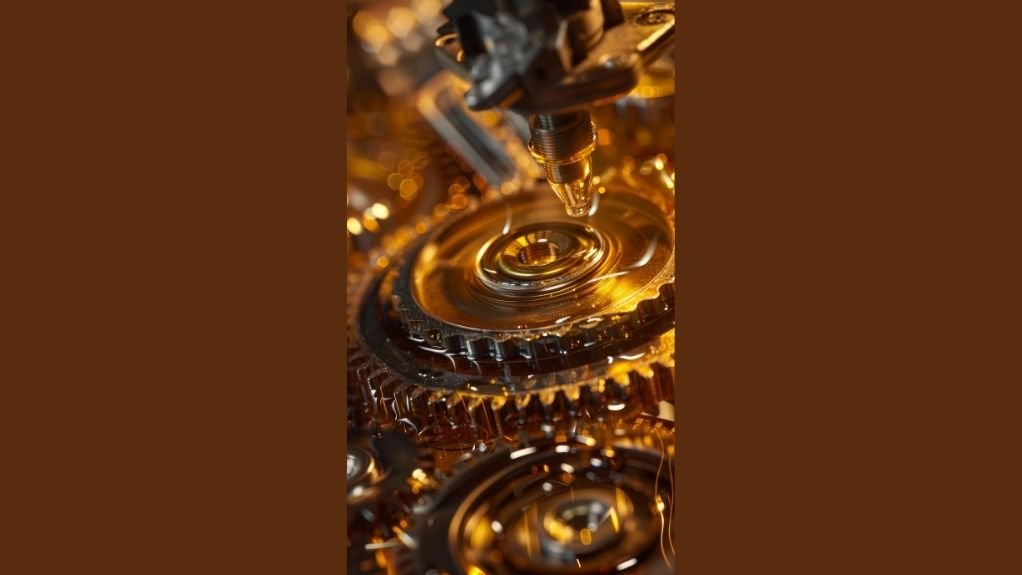
PROPER LUBRICATION Lubrication is critical for most types of machinery across an industrial plant, as it directly supports machine reliability



At an industrial plant, lubrication is not always top of mind – until something breaks. By then the damage is done, says industrial lubricant supplier Lubrication Engineers (LE) South Africa technical sales representative Sam Kekana.
“Lubrication is critical for most types of machinery across an industrial plant. It directly supports machine reliability; but only when the right product is chosen, stored correctly, applied properly and backed up with planned maintenance and condition monitoring. When any one of those elements fails, you start to see problems,” he adds.
He notes that some equipment is particularly sensitive to lubrication quality. Electrical motors need the right amount of lubricant to operate reliably and gearboxes require the correct viscosity grade of oil to run efficiently. When either of those conditions is not met, the consequences arrive imminently.
Correct lubrication, on the other hand, reduces friction and wear between moving surfaces, prevents corrosion and suppresses foaming that can compromise oil film integrity. At a plant level, this translates into less downtime, lower energy consumption and longer equipment life.
“If a machine is sliding smoothly, it will operate efficiently at the right torque. Electrical motors that are well lubricated operate with less load on them. They maintain the right settings and perform effectively,” he adds. This has a direct impact on electricity consumption, which in turn contributes to cost savings in industrial operations while reducing environmental impact.
Kekana notes that, across the sites he visits, he finds the same issues recurring. These include poor lubricant storage and handling, incorrect product selection, over or under lubrication, cross-contamination and a lack of lubricant monitoring.
Each of these failures leaves a physical trace, with excessive heat often a sign of over or under lubrication. Similarly, unusual noise also typically points to insufficient lubrication or improper product selection.
Further, vibration, which is also commonly associated with low lubrication levels, can also result from misalignment, loose bolts or an uneven machine base. All of these issues can significantly reduce bearing life and cause costly mechanical failures.
The Cost of Poor Lubrication
When lubrication fails, “the cost goes beyond the price of a replacement component”, says Kekana.
He cites four main direct cost implications: breakdown costs from replacing damaged machinery; labour costs from calling in contractors during unplanned stoppages; spare parts procurement; and lost production, including damaged product and the revenue lost while equipment is down.
“I have been to a site where the client had an issue with grease leaking out of a bearing because of high temperatures. To replace the bearing meant about four hours of downtime, which directly affected production. I recommended the correct lubricant for the application, and the bearing has remained in service without failure since,” says Kekana.
For plant operators, the initial cost of a high-quality lubricant is almost always lower than the combined cost of an unplanned breakdown.
Kekana says that getting lubrication right is not just about choosing a better product, it is about taking a systematic approach that covers product selection, proper storage and handling, correct application quantities and intervals and ongoing monitoring through oil analysis.
He asserts that the company’s on-site technical support, oil analysis for predictive maintenance, and training and contamination control guidance help customers to get the most benefit out of their lubricants, thereby avoiding critical downtime and equipment failure.
Article Enquiry
Email Article
Save Article
Feedback
To advertise email advertising@creamermedia.co.za or click here

Projects
Latest Multimedia

Latest News
Showroom

EIMS is an independent specialised environmental consulting firm offering the full spectrum of environmental management services across all sectors...
VISIT SHOWROOM
Industrial Nozzles & Systems (Pty) Ltd (Est. 2000) exclusive representative in Southern Africa for LECHLER GmbH (Est. 1879) - Europe's leading...
VISIT SHOWROOM



Press Office
Announcements
What's On
Subscribe to improve your user experience...
Option 1 (equivalent of R125 a month):
Receive a weekly copy of Creamer Media's Engineering News & Mining Weekly magazine
(print copy for those in South Africa and e-magazine for those outside of South Africa)
Receive daily email newsletters
Access to full search results
Access archive of magazine back copies
Access to Projects in Progress
Access to ONE Research Report of your choice in PDF format
Option 2 (equivalent of R375 a month):
All benefits from Option 1
PLUS
Access to Creamer Media's Research Channel Africa for ALL Research Reports, in PDF format, on various industrial and mining sectors
including Electricity; Water; Energy Transition; Hydrogen; Roads, Rail and Ports; Coal; Gold; Platinum; Battery Metals; etc.
Already a subscriber?
Forgotten your password?
Receive weekly copy of Creamer Media's Engineering News & Mining Weekly magazine (print copy for those in South Africa and e-magazine for those outside of South Africa)
➕
Recieve daily email newsletters
➕
Access to full search results
➕
Access archive of magazine back copies
➕
Access to Projects in Progress
➕
Access to ONE Research Report of your choice in PDF format
RESEARCH CHANNEL AFRICA
R4500 (equivalent of R375 a month)
SUBSCRIBEAll benefits from Option 1
➕
Access to Creamer Media's Research Channel Africa for ALL Research Reports on various industrial and mining sectors, in PDF format, including on:
Electricity
➕
Water
➕
Energy Transition
➕
Hydrogen
➕
Roads, Rail and Ports
➕
Coal
➕
Gold
➕
Platinum
➕
Battery Metals
➕
etc.
Receive all benefits from Option 1 or Option 2 delivered to numerous people at your company
➕
Multiple User names and Passwords for simultaneous log-ins
➕
Intranet integration access to all in your organisation