Grid stability, commitments key to just transition

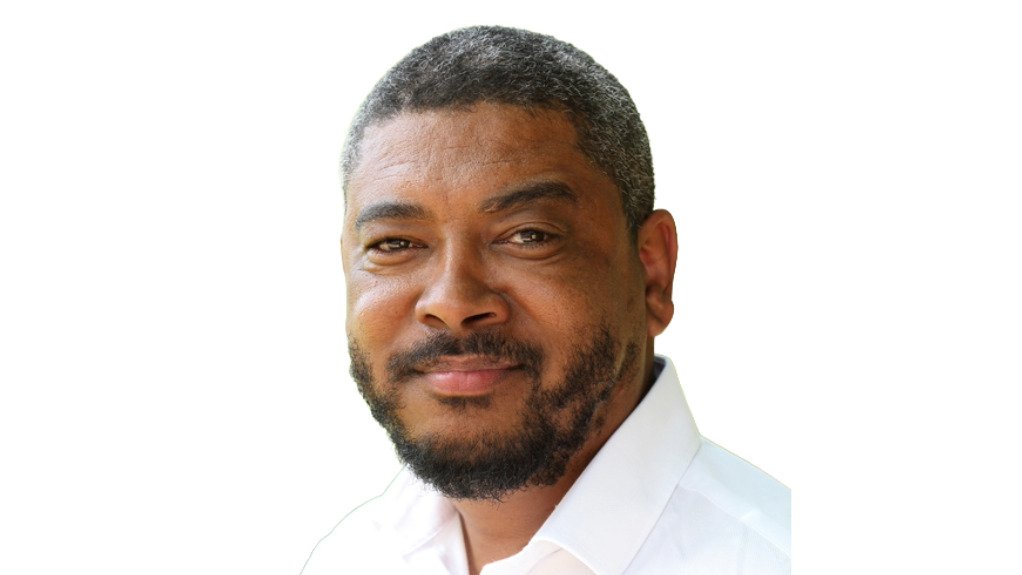
OSCAR VAN HEERDEN Domestic renewable energy funding must extend beyond generation capacity



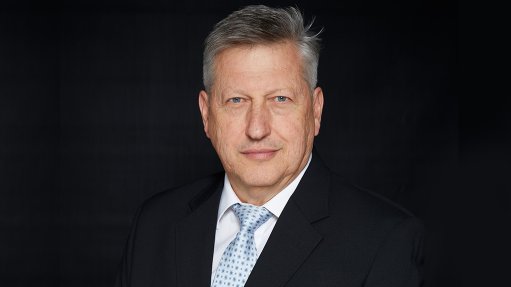
While South Africa’s energy transition is on the right track, structural grid constraints, slow climate finance deployment and the socioeconomic realities of the coal regions threaten to hinder progress, states academic and political analyst Dr Oscar van Heerden.
He says that growing renewable-energy activity and recent regulatory reforms signal positive momentum; however, the pace and design of the Just Energy Transition (JET) will determine whether it succeeds economically and socially.
At the heart of these challenges is infrastructure, and despite policy shifts allowing for greater private-sector participation and decentralised generation, the national grid lacks sufficient capacity to integrate renewable energy at scale, explains Van Heerden.
Without rapid transmission expansion and grid modernisation, new wind and solar projects risk being stranded, he adds.
Financing remains a critical bottleneck affecting JET efforts and, while noting that Europe has pledged support for South Africa’s transition, Van Heerden argues that the scale, structure and speed of capital flows coming to Africa remain inadequate.
European financing needs to “come to the party” in terms of the scale and volume of investments needed to advance renewable-energy projects in South Africa, he states, adding that this financing should happen through structured, affordable instruments that mitigate currency risk and lower borrowing costs.
“Funding must extend beyond generation capacity, while climate finance should empower local grids and communities – not only large-scale export-oriented projects – given that coal-reliant towns require social protection measures, reskilling programmes and investments into alternative industries to prevent deepening inequality,” notes Van Heerden.
Contextually, upfront capital costs for renewable energy projects remain high, and elevated interest rates and currency volatility make investments in the Global South more expensive than comparable projects in Europe, he says, adding that historically, export credit agencies and financial institutions have prioritised fossil fuel ventures or the securing of raw materials, such as lithium and cobalt, rather than supporting localised, sustainable energy infrastructure.
Innovative Capacity, Measuring Progress
Emerging technologies could play a transformative role, with green hydrogen, in particular, holding promise for decarbonising heavy industry and providing long-term energy storage for balance-intermittent renewable supply.
Coupled with energy storage systems and smart grids, such innovations could stabilise South Africa’s grid infrastructure as coal plants are phased out, states Van Heerden.
Further, he notes that the JET is as much social as it is technical, and that inclusive planning and meaningful community engagement, especially in coal mining areas, are essential to ensuring that local voices shape the transition.
Van Heerden suggests that a ten-year horizon is a more realistic yardstick to assess progress on the JET, rather than focusing narrowly on 2030 targets.
However, major risks include political resistance and social backlash in affected regions.
“The success of South Africa’s energy transition will hinge on aligning infrastructure development, affordable finance and social justice to ensure that decarbonisation strengthens, rather than fractures, the country’s economic and social fabric,” he concludes.
Article Enquiry
Email Article
Save Article
Feedback
To advertise email advertising@creamermedia.co.za or click here
Research Reports

Projects

Latest Multimedia
Latest News
Showroom

The Steel Tube Export Association of South Africa was established to develop sustainable, internationally competitive carbon steel tube and pipe...
VISIT SHOWROOM
CMTS is a leading, well-established EC&I contractor with 37+ years of mining and industrial experience. We execute full-scope EC&I projects with...
VISIT SHOWROOM
Press Office
Announcements
What's On
Subscribe to improve your user experience...
Option 1 (equivalent of R125 a month):
Receive a weekly copy of Creamer Media's Engineering News & Mining Weekly magazine
(print copy for those in South Africa and e-magazine for those outside of South Africa)
Receive daily email newsletters
Access to full search results
Access archive of magazine back copies
Access to Projects in Progress
Access to ONE Research Report of your choice in PDF format
Option 2 (equivalent of R375 a month):
All benefits from Option 1
PLUS
Access to Creamer Media's Research Channel Africa for ALL Research Reports, in PDF format, on various industrial and mining sectors
including Electricity; Water; Energy Transition; Hydrogen; Roads, Rail and Ports; Coal; Gold; Platinum; Battery Metals; etc.
Already a subscriber?
Forgotten your password?
Receive weekly copy of Creamer Media's Engineering News & Mining Weekly magazine (print copy for those in South Africa and e-magazine for those outside of South Africa)
➕
Recieve daily email newsletters
➕
Access to full search results
➕
Access archive of magazine back copies
➕
Access to Projects in Progress
➕
Access to ONE Research Report of your choice in PDF format
RESEARCH CHANNEL AFRICA
R4500 (equivalent of R375 a month)
SUBSCRIBEAll benefits from Option 1
➕
Access to Creamer Media's Research Channel Africa for ALL Research Reports on various industrial and mining sectors, in PDF format, including on:
Electricity
➕
Water
➕
Energy Transition
➕
Hydrogen
➕
Roads, Rail and Ports
➕
Coal
➕
Gold
➕
Platinum
➕
Battery Metals
➕
etc.
Receive all benefits from Option 1 or Option 2 delivered to numerous people at your company
➕
Multiple User names and Passwords for simultaneous log-ins
➕
Intranet integration access to all in your organisation