Decarbonisation central to energy transition


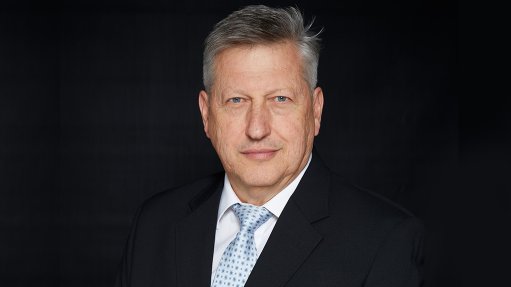
NANDI MALUMBAZO Africa must explore multiple energy transition development pathways, whether through a rapid shift towards a green economy or a more staggered transition



As African countries respond to global pressure to transition to renewable energy while also addressing urgent development and energy needs, the focus should not be on moving away from coal, but rather on decarbonising the fossil fuel’s industrial use, says University of the Witwatersrand chemical and metallurgical engineering senior lecturer Dr Nandi Malumbazo.
The global decarbonisation agenda should extend beyond the power sector, as all industrial sectors reliant on carbon-based raw materials face similar pressures, she adds.
African governments must carefully consider whether and how their economies can afford such a transition, says Malumbazo.
“African countries should consider the continent’s economic development needs, which are centred on industrialisation. Africa remains a commodity-dependent continent, largely driven by export-oriented industrialisation, with the result being that industrial development has been slow.”
She argues that Africa must explore multiple development pathways, whether through a rapid shift towards a green economy or a more staggered transition supported by clearly defined goals and timelines that support economic development.
Malumbazo highlights coal’s continued role in powering African economies, noting that the continent produces about 246 GW/y of electricity, with the majority generated from fossil fuels, including natural gas at 14%, oil at 6.9% and coal at 26%.
Coal-fired power generation is largely concentrated in the north, south and west of Africa.
The 26% coal contribution equates to about 52 GW of installed capacity across 40 coal-fired power plants, with South Africa dominating the sector with 18 of such plants, two of which are currently non-operational.
North Africa’s power generation is largely dominated by oil and gas, while East and Central Africa rely primarily on hydropower – which is one of the oldest and largest sources of renewable energy, points out Malumbazo.
“The only way governments can manage coal use in power generation without compromising energy security or Just Energy Transition interests is through energy policies and regulatory frameworks,” she says, adding that governments must clearly define their energy priorities within this energy trilemma, where affordability, security and sustainability compete.
Using South Africa as an example, Malumbazo explains that the country’s energy challenges are rooted in sustainability and equity, indicating that policy frameworks should not focus solely on maintaining energy security but also on expanding renewable-energy capacity at an affordable cost.
This approach is reflected in South Africa’s Integrated Resource Plan 2025, which aims to increase installed renewable-energy capacity while incorporating gas – which is considered cleaner than coal – and nuclear power beyond 2030.
Socioeconomic Protection, Structural Reform
Malumbazo says energy policies across Africa often fail to adequately address job losses and social stability, as they tend to prioritise affordability, security and sustainability while overlooking social considerations.
Although there has been significant focus on upskilling communities in coal-mining regions, she says governments have not sufficiently assessed the effectiveness or long-term impact of these initiatives.
As a result, Malumbazo argues that energy transition planning should extend beyond departments responsible for energy, the environment and the economy, and include those responsible for education and social development, particularly where socioeconomic policies linked to decarbonisation are absent.
Here, she notes that the energy transition is closely linked to structural reform in the energy sector, which inevitably reshapes labour markets.
“It is well known that the coal industry requires a large workforce, compared with [that of] the green energy economy. Africa has not yet fully benefited from the green energy economy, as the continent lacks a fully developed green energy value chain.”
In addition, many of the components required for green energy technologies are imported, representing a missed industrialisation opportunity that could help revitalise and diversify African economies, says Malumbazo.
As global energy dynamics evolve, including rising gas demand and falling solar prices, she notes that Africa is increasingly shifting towards a greener energy economy, particularly in regions currently dominated by fossil fuel-based power generation.
While Africa has set a target of deploying 300 GW of renewable-energy capacity by 2030, Malumbazo warns that other persistent challenges remain, including access to project financing, grid limitations, insufficient battery storage capacity and socioeconomic impacts.
“The continent needs to address these challenges through a concerted effort involving governments, business and academic institutions,” she concludes.
Article Enquiry
Email Article
Save Article
Feedback
To advertise email advertising@creamermedia.co.za or click here
Research Reports

Projects

Latest Multimedia
Showroom

M and J Mining are leading suppliers of physical support systems as used by the underground mining industry. Our selection of products are not...
VISIT SHOWROOM
Smart energy storage solutions for efficient, safe, and profitable power.
VISIT SHOWROOM
Press Office
Announcements
What's On
Subscribe to improve your user experience...
Option 1 (equivalent of R125 a month):
Receive a weekly copy of Creamer Media's Engineering News & Mining Weekly magazine
(print copy for those in South Africa and e-magazine for those outside of South Africa)
Receive daily email newsletters
Access to full search results
Access archive of magazine back copies
Access to Projects in Progress
Access to ONE Research Report of your choice in PDF format
Option 2 (equivalent of R375 a month):
All benefits from Option 1
PLUS
Access to Creamer Media's Research Channel Africa for ALL Research Reports, in PDF format, on various industrial and mining sectors
including Electricity; Water; Energy Transition; Hydrogen; Roads, Rail and Ports; Coal; Gold; Platinum; Battery Metals; etc.
Already a subscriber?
Forgotten your password?
Receive weekly copy of Creamer Media's Engineering News & Mining Weekly magazine (print copy for those in South Africa and e-magazine for those outside of South Africa)
➕
Recieve daily email newsletters
➕
Access to full search results
➕
Access archive of magazine back copies
➕
Access to Projects in Progress
➕
Access to ONE Research Report of your choice in PDF format
RESEARCH CHANNEL AFRICA
R4500 (equivalent of R375 a month)
SUBSCRIBEAll benefits from Option 1
➕
Access to Creamer Media's Research Channel Africa for ALL Research Reports on various industrial and mining sectors, in PDF format, including on:
Electricity
➕
Water
➕
Energy Transition
➕
Hydrogen
➕
Roads, Rail and Ports
➕
Coal
➕
Gold
➕
Platinum
➕
Battery Metals
➕
etc.
Receive all benefits from Option 1 or Option 2 delivered to numerous people at your company
➕
Multiple User names and Passwords for simultaneous log-ins
➕
Intranet integration access to all in your organisation