CFD trading explained for people who already understand commodity markets



This article has been supplied.
A contract for difference, or CFD, is an agreement to exchange the difference in an asset's price between when a position opens and when it closes, without either party ever owning the underlying asset. For people who already follow copper, gold or iron ore prices for work, CFD trading is often a familiar idea wearing an unfamiliar name: it's speculating on price movement, the same way a mining analyst tracks a commodity curve, just structured as a tradeable position rather than a forecast.
Why mining-sector readers already understand half of this
Anyone who reads commodity price movements for work already has the core skill CFD trading requires: interpreting supply, demand and macro signals. What's different is the mechanism. Instead of a company hedging physical output through futures contracts on an exchange, a CFD is a retail-accessible product offered by a broker, settled in cash, with no physical delivery involved at any point.
That makes CFDs useful for two different groups: people wanting exposure to metals, energy or mining-linked equity indices without operational involvement, and people already in the sector who want a faster way to express a short-term view on price direction.
What actually moves when you open a CFD position
A CFD position tracks the market price of the underlying instrument in real time. If you open a long position on gold and the price rises by $20 an ounce, your position gains value proportional to the size of your trade. If it falls, the position loses value by the same measure. Leverage means you only need to put up a fraction of the position's full value as margin, which increases both potential return and potential loss.
This is where CFD trading differs meaningfully from buying physical metal or mining shares outright: leverage changes the risk profile substantially, and a position can be closed out automatically if losses reach a set threshold.
What's available to trade
Brokers offering CFDs typically cover several linked markets, which matters for anyone thinking about correlated exposure:
- Metals, including gold, silver, copper and platinum
- Energy, including crude oil and natural gas
- Indices with heavy resource-sector weighting
- Individual mining company shares, depending on the broker
easyMarkets, a CFD broker regulated by the Cyprus Securities and Exchange Commission and the Australian Securities and Investments Commission, offers CFDs across more than 200 instruments including metals, energy and indices, with fixed spreads and no separate commission charged on trades.
FAQs
Is CFD trading the same as investing in a mining company? No. Buying shares means owning a stake in the company. A CFD on that share tracks its price without any ownership, dividend rights or shareholder voting attached.
Why would someone trade a CFD instead of a futures contract? Futures contracts often require larger minimum sizes and are traded on specific exchanges with set contract terms. CFDs are typically more flexible in position size and don't require a futures account.
How is the price of a metals CFD determined? It tracks the underlying spot or futures market price that the broker sources its pricing from, adjusted by the broker's spread.
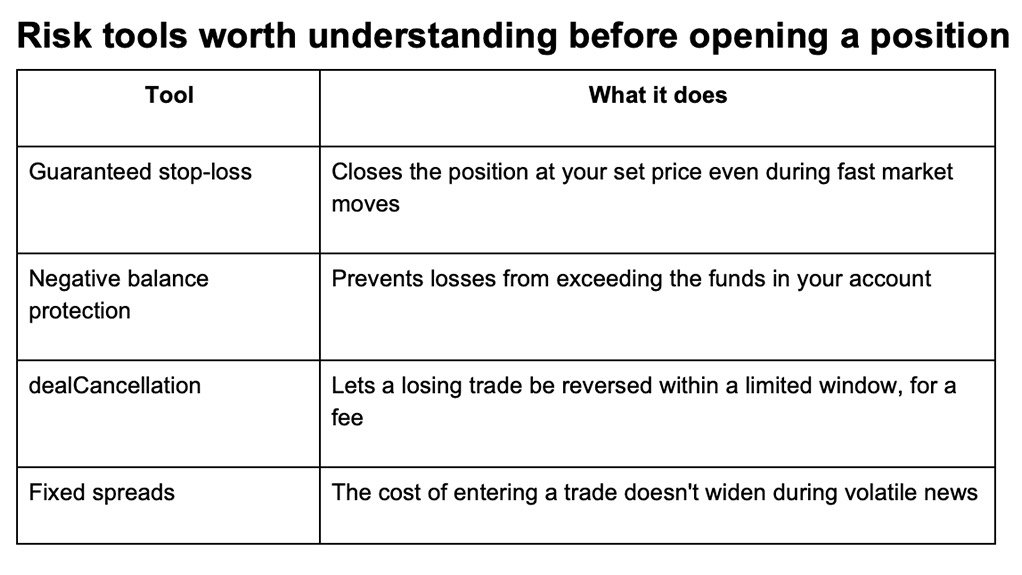
Can CFD losses exceed my deposit? They can, unless the broker offers negative balance protection, which most regulated brokers now provide as standard for retail clients.
Is CFD trading regulated the same way as share trading? It's regulated, but under different rules. In Australia, ASIC treats CFDs as a distinct, higher-risk product category and requires specific disclosure and leverage limits for retail clients.
The bottom line
CFD trading gives people who understand commodity markets a direct way to act on price views without the operational weight of physical trading. The mechanics, leverage, margin and cash settlement, are worth understanding fully before opening a position, since they're what separate a CFD from simply owning the underlying asset. The World Gold Council publishes freely available data on gold supply, demand and price drivers that's a useful reference regardless of whether you trade the metal directly.
Article Enquiry
Email Article
Save Article
Feedback
To advertise email advertising@creamermedia.co.za or click here
Research Reports
Projects

Latest Multimedia


Latest News
Showroom
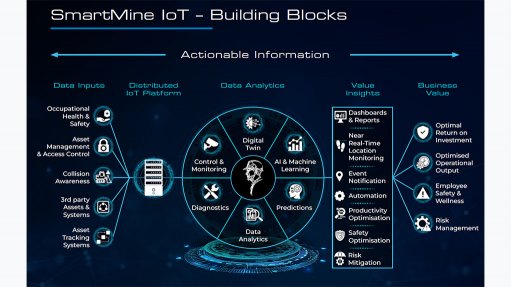
SmartMine IoT has been developed with the mining industry in mind, to provides our customers with powerful business intelligence and data modelling...
VISIT SHOWROOM


Press Office
Announcements
What's On
Subscribe to improve your user experience...
Option 1 (equivalent of R125 a month):
Receive a weekly copy of Creamer Media's Engineering News & Mining Weekly magazine
(print copy for those in South Africa and e-magazine for those outside of South Africa)
Receive daily email newsletters
Access to full search results
Access archive of magazine back copies
Access to Projects in Progress
Access to ONE Research Report of your choice in PDF format
Option 2 (equivalent of R375 a month):
All benefits from Option 1
PLUS
Access to Creamer Media's Research Channel Africa for ALL Research Reports, in PDF format, on various industrial and mining sectors
including Electricity; Water; Energy Transition; Hydrogen; Roads, Rail and Ports; Coal; Gold; Platinum; Battery Metals; etc.
Already a subscriber?
Forgotten your password?
Receive weekly copy of Creamer Media's Engineering News & Mining Weekly magazine (print copy for those in South Africa and e-magazine for those outside of South Africa)
➕
Recieve daily email newsletters
➕
Access to full search results
➕
Access archive of magazine back copies
➕
Access to Projects in Progress
➕
Access to ONE Research Report of your choice in PDF format
RESEARCH CHANNEL AFRICA
R4500 (equivalent of R375 a month)
SUBSCRIBEAll benefits from Option 1
➕
Access to Creamer Media's Research Channel Africa for ALL Research Reports on various industrial and mining sectors, in PDF format, including on:
Electricity
➕
Water
➕
Energy Transition
➕
Hydrogen
➕
Roads, Rail and Ports
➕
Coal
➕
Gold
➕
Platinum
➕
Battery Metals
➕
etc.
Receive all benefits from Option 1 or Option 2 delivered to numerous people at your company
➕
Multiple User names and Passwords for simultaneous log-ins
➕
Intranet integration access to all in your organisation