Applying engineering discipline to restore milling plant reliability



This article has been supplied.
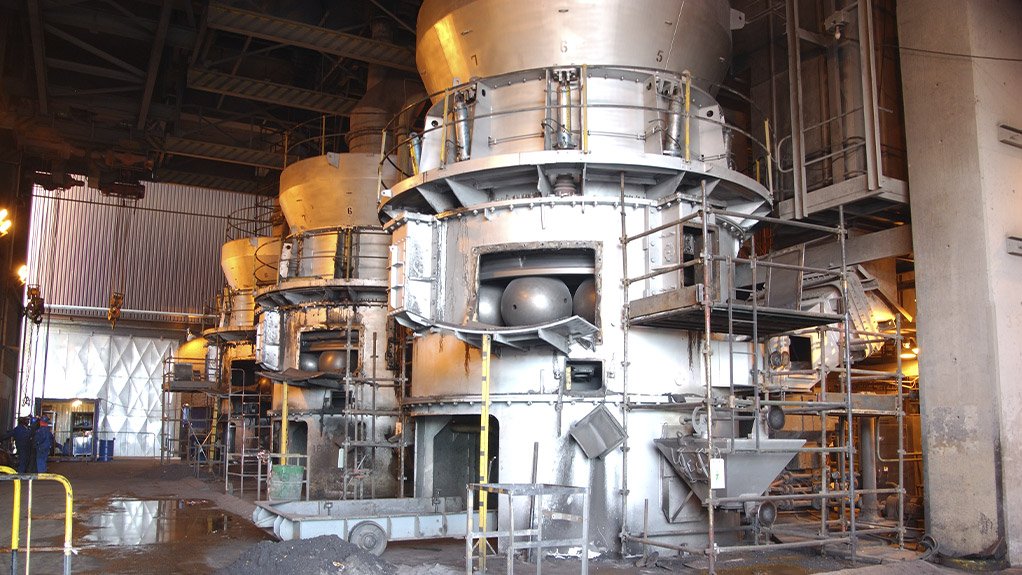
Reliability of coal milling plants remains a critical determinant of performance in coal-fired steam generation facilities. However, many ageing installations continue to experience recurring failures driven by structural degradation, alignment deficiencies and historically reactive maintenance strategies.
Experience from Babcock demonstrates that engineering-led rehabilitation programmes can restore milling plant stability without the significant capital investment associated with full mill replacement.
Maintenance symptoms versus engineering causes
When Babcock assumed long-term maintenance responsibility for large steam generation milling plants, baseline conditions included accumulated service backlogs, compromised system redundancy and maintenance programmes that had become largely reactive.
Operational data indicated frequent mill outages linked to high vibration levels, lubrication failures, pulverised fuel leakage and drivetrain failures.
Engineering investigation showed that these failures were frequently symptoms rather than root causes.
Structural contributors to instability
Detailed inspections revealed several mechanical deficiencies contributing to recurring failures. Distorted gearbox baseplates, movement at holding-down bolts, inappropriate washer selection and absence of epoxy resin locking resulted in progressive misalignment during operation.
In addition, long-term oil and water contamination had reduced the stiffness of certain concrete foundations, contributing to structural instability.
Localised repair methods, including partial machining or grouting, were found to provide only temporary improvement.
Diagnostic techniques
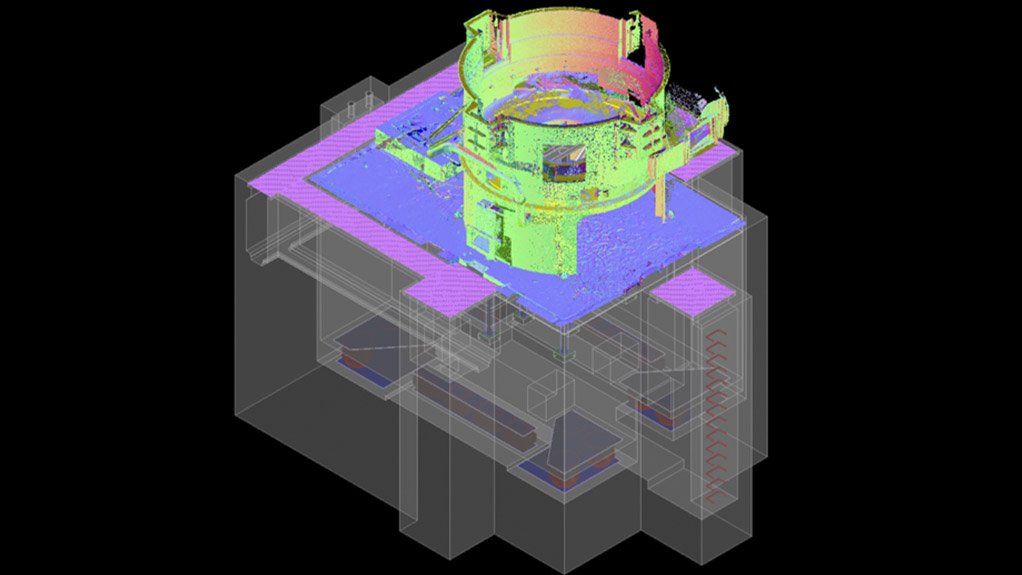
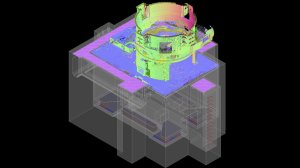
To quantify mechanical conditions, Babcock applied advanced diagnostic methods including 3D laser scanning and point-cloud analysis.
These investigations identified several key contributors to instability:
- Non-level baseplates
- Eccentric mill centre lines
- Misaligned labyrinth seals
- Inconsistent bolt configurations
- Soft-foot conditions at gearbox interfaces
These issues contributed directly to pulverised fuel leakage, hot primary air ingress and increased loading of couplings and bearings.
Corrective engineering intervention
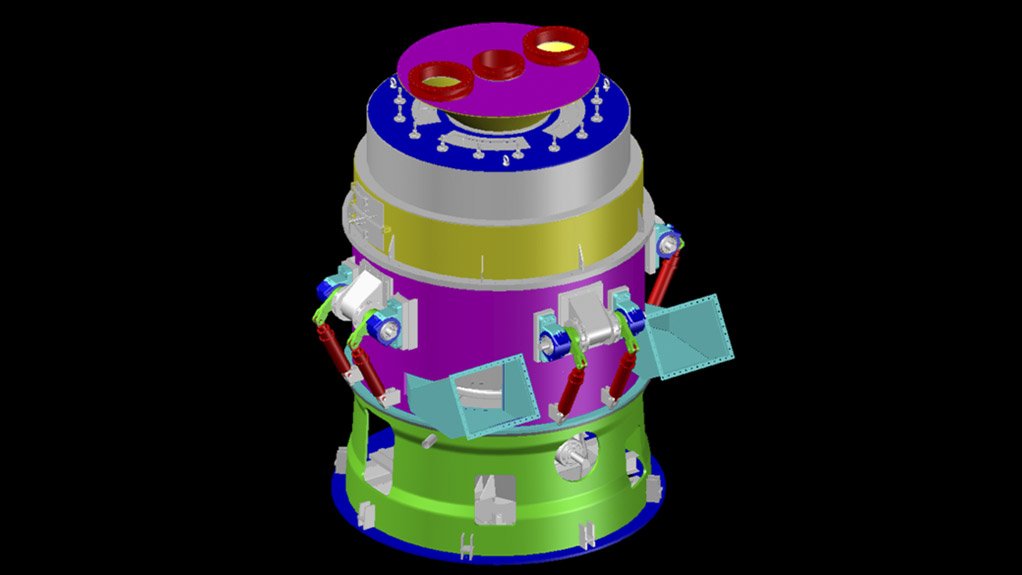
Engineering work focused on restoring the mechanical reference structure of the mill. Corrective actions included baseplate replacement, precision levelling, standardisation of holding-down interfaces and elimination of soft-foot conditions.
Seal alignment corrections were also implemented to reduce PF leakage and thermal loading.
All corrective work was executed in accordance with OEM design requirements.
Operational outcomes
Following corrective engineering interventions, milling plant redundancy was restored and vibration-related defects were significantly reduced.
Recurring gearbox, coupling and lubrication failures were largely eliminated, allowing maintenance execution to shift from reactive breakdown response toward planned maintenance programmes.
Capability development
In addition to technical interventions, Babcock worked with plant personnel to transfer alignment capabilities, formalise preventive maintenance routines and improve spare component selection.
This ensured that reliability improvements could be sustained within the plant’s own operational practices.
Implications for ageing power infrastructure
As many coal-fired power stations continue operating ageing milling infrastructure, engineering-led rehabilitation programmes offer a practical alternative to full equipment replacement.
Experience from these interventions shows that correcting structural and alignment deficiencies can significantly improve reliability while extending asset life.
Article Enquiry
Email Article
Save Article
Feedback
To advertise email advertising@creamermedia.co.za or click here
Research Reports

Projects
Latest Multimedia
Latest News
Showroom
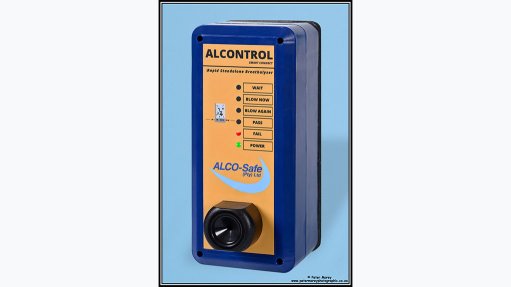
Developed to exceed the latest EN 15964 standards for police breathalysers proving that it will remain accurate and reliable for many years to come.
VISIT SHOWROOM
ESAB South Arica, the leading supplier of high-end welding and cutting products to the Southern African industrial market is based in...
VISIT SHOWROOM

Press Office
Announcements
What's On
Subscribe to improve your user experience...
Option 1 (equivalent of R125 a month):
Receive a weekly copy of Creamer Media's Engineering News & Mining Weekly magazine
(print copy for those in South Africa and e-magazine for those outside of South Africa)
Receive daily email newsletters
Access to full search results
Access archive of magazine back copies
Access to Projects in Progress
Access to ONE Research Report of your choice in PDF format
Option 2 (equivalent of R375 a month):
All benefits from Option 1
PLUS
Access to Creamer Media's Research Channel Africa for ALL Research Reports, in PDF format, on various industrial and mining sectors
including Electricity; Water; Energy Transition; Hydrogen; Roads, Rail and Ports; Coal; Gold; Platinum; Battery Metals; etc.
Already a subscriber?
Forgotten your password?
Receive weekly copy of Creamer Media's Engineering News & Mining Weekly magazine (print copy for those in South Africa and e-magazine for those outside of South Africa)
➕
Recieve daily email newsletters
➕
Access to full search results
➕
Access archive of magazine back copies
➕
Access to Projects in Progress
➕
Access to ONE Research Report of your choice in PDF format
RESEARCH CHANNEL AFRICA
R4500 (equivalent of R375 a month)
SUBSCRIBEAll benefits from Option 1
➕
Access to Creamer Media's Research Channel Africa for ALL Research Reports on various industrial and mining sectors, in PDF format, including on:
Electricity
➕
Water
➕
Energy Transition
➕
Hydrogen
➕
Roads, Rail and Ports
➕
Coal
➕
Gold
➕
Platinum
➕
Battery Metals
➕
etc.
Receive all benefits from Option 1 or Option 2 delivered to numerous people at your company
➕
Multiple User names and Passwords for simultaneous log-ins
➕
Intranet integration access to all in your organisation