Africa’s envisaged hydrogen mobility buildout sketched



PDC Machines' Mike Ciotti and Dr Sakib Khan being interviewed by Mining Weekly's Martin Creamer. Video: Darlene Creamer.
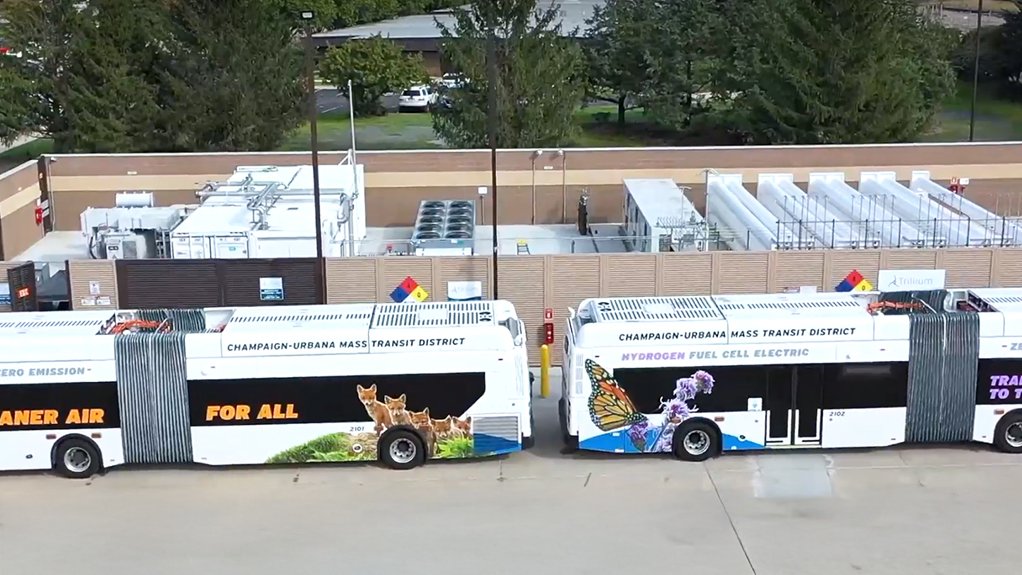
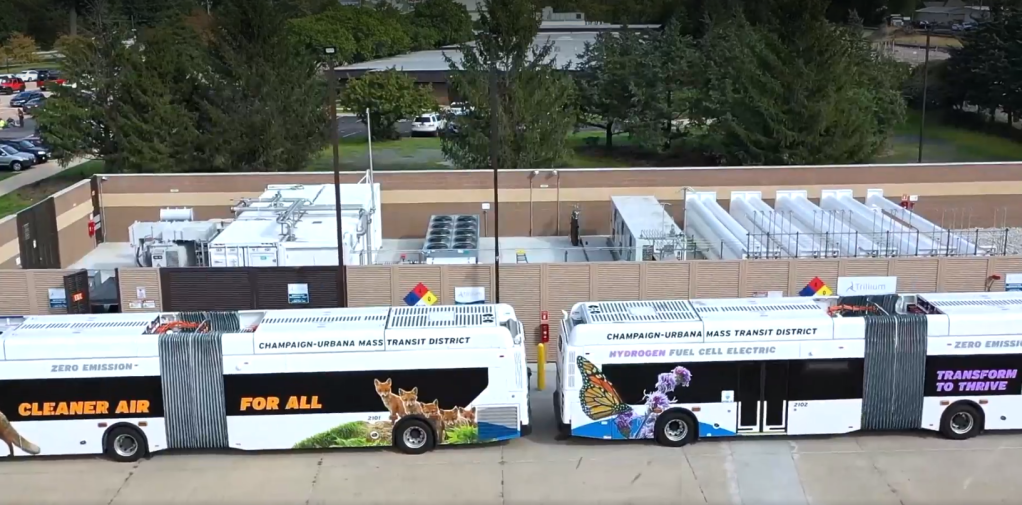
Buses refuelling.
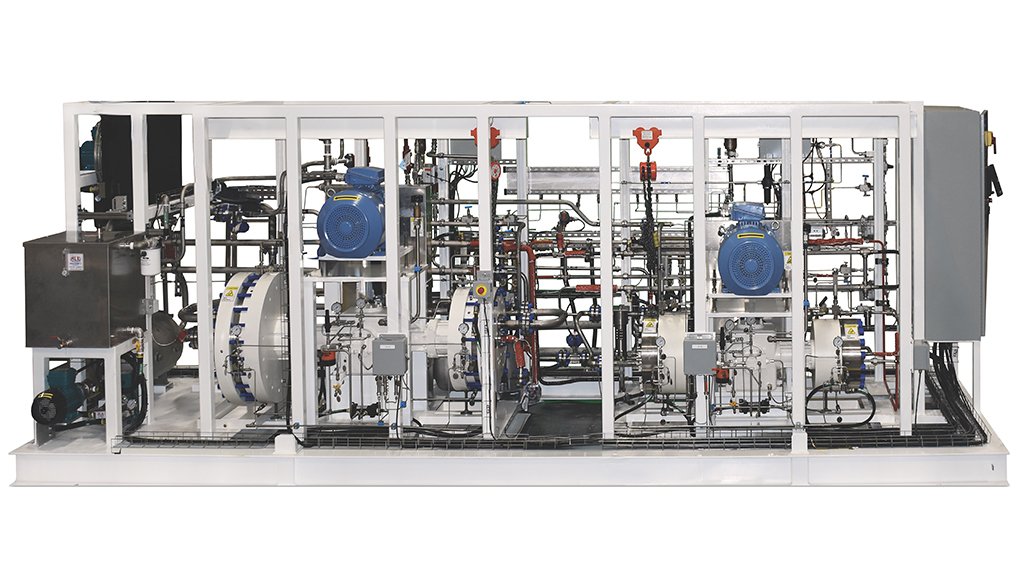
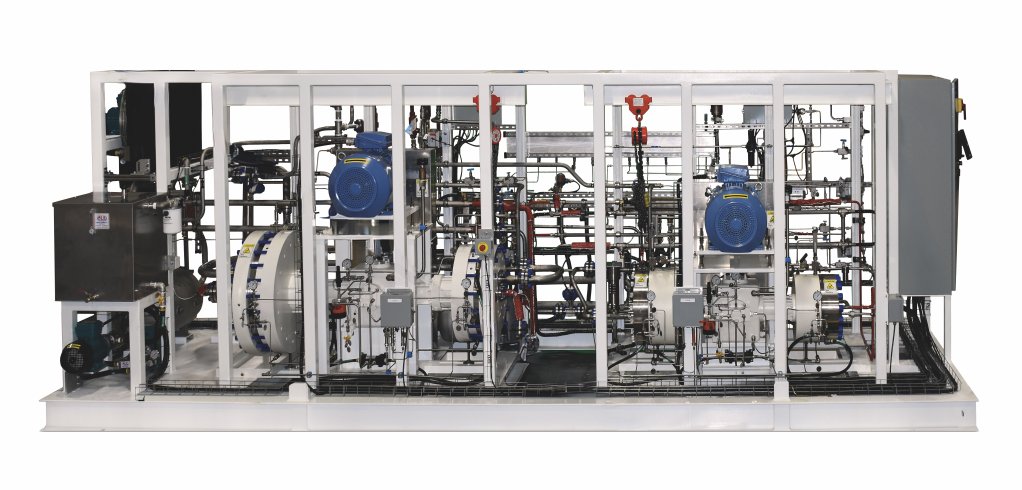
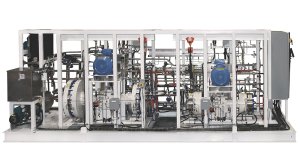
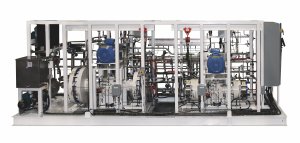
Compressor.
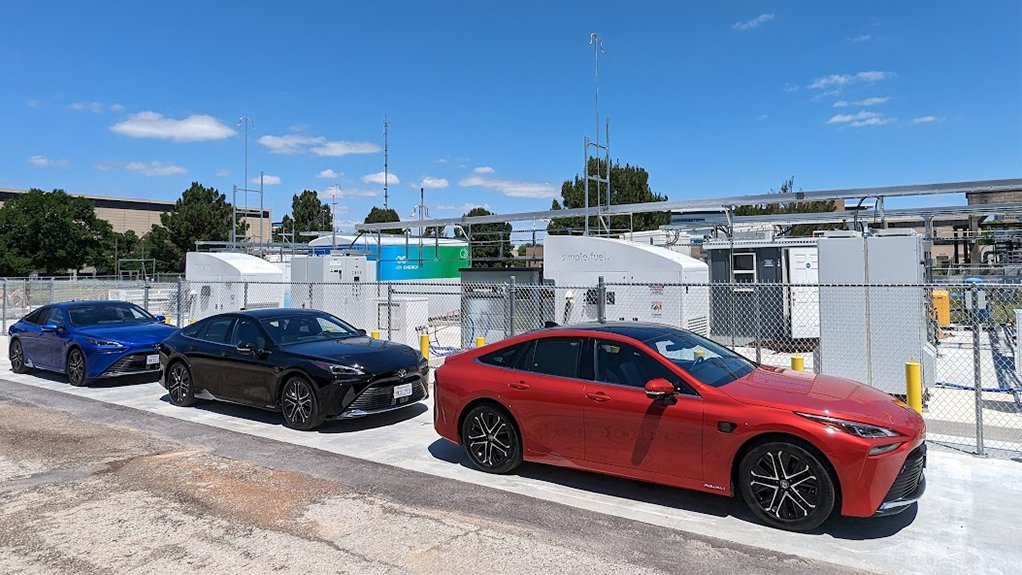
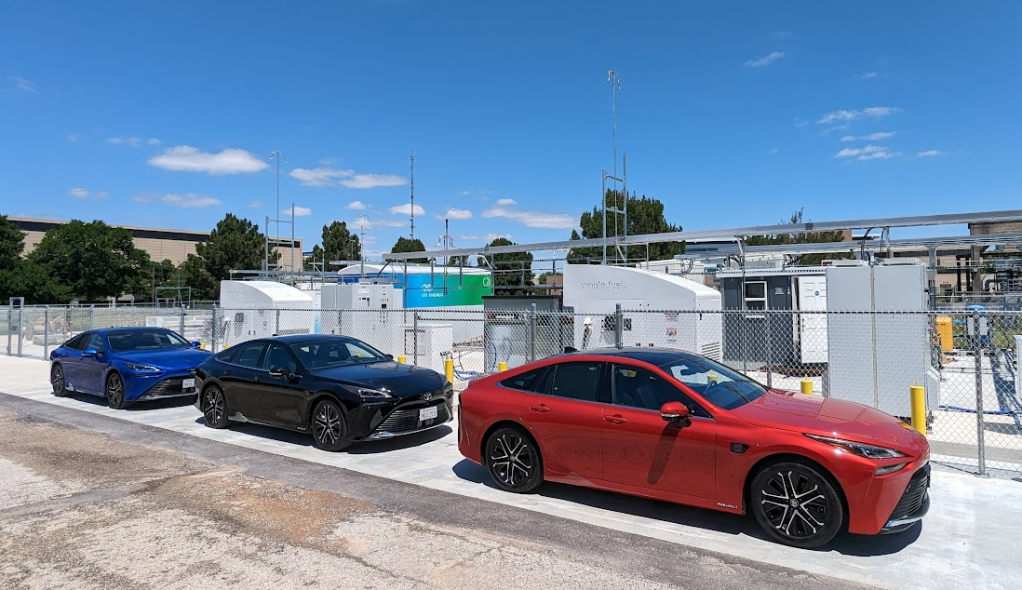
Cars refuelling.
President Cyril Ramaphosa highlighting hydrogen with UAE President Sheikh Mohamed bin Zayed Al Nahyan.
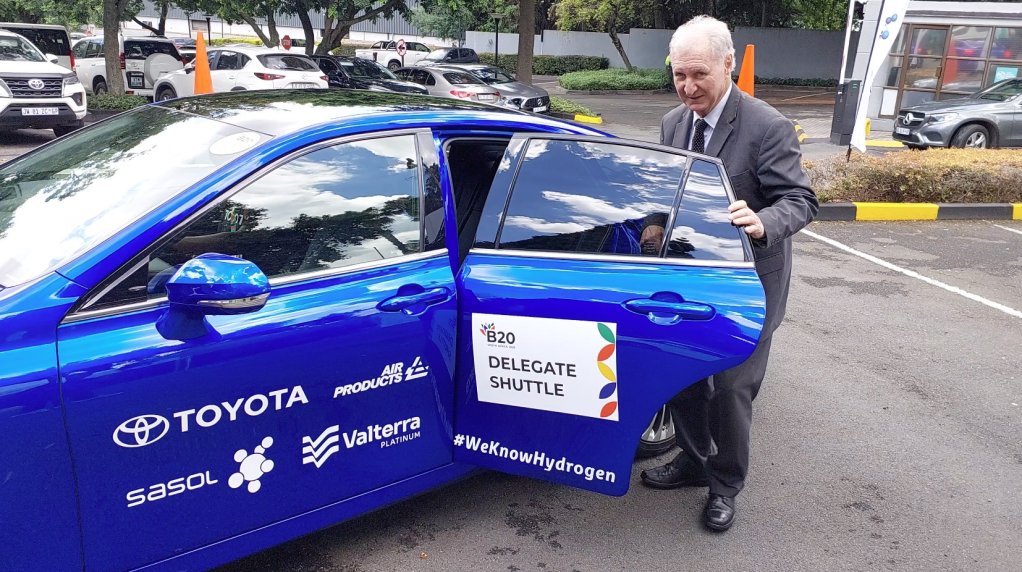
Hydrogen fuel cell mobility in Johannesburg.
Buses refuelling.
Compressor
Cars refuelling.
Dr Sakib Khan





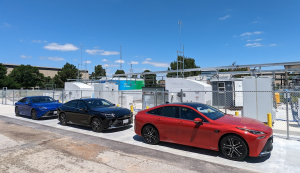



Last year, South Africa witnessed hydrogen fuel cell electric vehicle (FCEV) mobility in Johannesburg when B20 and G20 top-brass were chauffeured around in Toyota FCEVs courtesy of Valterra, which provides the platinum group metals (PGM) used by FCEVs to convert hydrogen into electricity.
Last month, South Africa’s President Cyril Ramaphosa held public discussions at the Abu Dhabi Sustainability Week with UAE President Sheikh Mohamed bin Zayed Al Nahyan, where he emphasised the massive energy opportunity that green hydrogen represents for an Africa with superior sun, prime wind corridors, fast-moving water and a great PGM endowment.
This month, South Africa’s Northam Platinum stated unequivocally that current world hydrogen developments are being underestimated, given the “incredible”hydrogen developments that Northam witnessed first-hand on a recent visit to China.
Also this month, hydrogen compression specialist PDC Machines made a point of reminding South Africa that it was PDC compressors that enabled the world’s largest hydrogen-powered ultra-heavy mining haul truck to do its rounds at Valterra Platinum’s Mogalakwena PGMmine in Limpopo province in full view of Engineering News & Mining Weekly and the world.
This reminder popped up during Engineering News & Mining Weekly’s Zoom interview with Mike Ciotti, the head of product at PDC Machines, and also Dr Sakib Khan, the GM for Africa of PDC Machines.
It was during this interview that Africa’s envisaged hydrogen mobility build-out potential began to be sketched in further detail, with PDC positioning its high-pressure diaphragm compression as a backbone of the hydrogen mobility step-up.
Ciotti noted that while hydrogen is currently enjoying a policy and investment surge, PDC’s involvement dates back several decades. The company, founded in 1978, initially focused on high-pressure applications for toxic gases and nitrogen.
By the 1990s, as industrial gas companies began demonstrating fuel cell mobility concepts, compression requirements shifted sharply upward.
Applications moved from typical 150 bar to 200 bar systems to 350 bar, and ultimately 700 bar fuelling pressures, driven by the need to increase hydrogen storage density in vehicles.
According to Ciotti, hydrogen refuelling station deployment typically follows a staged approach.
Early projects are small-scale demonstrations serving one or two vehicles consuming between four and ten kilograms of hydrogen a day. For this segment, PDC developed integrated systems combining electrolysis, diaphragm compression, storage and dispensing under its SimpleFuel platform.
As fleets expand, compression capacity and hydrogen supply strategy evolve. In many early deployments, hydrogen is trucked in via tube trailers at pressures ranging from 180 bar to 500 bar, depending on geography. Larger compressors are then used to boost pressure to storage and dispensing levels.
Scaling further introduces wide variability in hydrogen demand. Passenger vehicles typically require four to six kilograms per fill, buses between 20 kg and 30 kg, while heavy-duty trucks or mining vehicles may require 50 kg to 80 kg per fill. Compression systems must therefore accommodate both high pressures and higher throughputs to replenish storage quickly and maintain uptime.
The evolution of hydrogen production technologies is also reshaping compression requirements. While liquid hydrogen systems operate at low pressures of five to ten bar, proton exchange membrane (PEM) electrolysers commonly deliver hydrogen at around 30 bar. PEM electrolysers make use of PGMs such as platinum itself and iridium.
Emerging technologies, including solid oxide systems, may deliver hydrogen near ambient pressure, significantly increasing compression ratios and stage requirements.
This shift has compelled PDC to develop a broader portfolio capable of handling varying inlet pressures and higher flow rates as projects move towards industrial-scale hydrogen production.
With South Africa’s established mining, petrochemical and industrial engineering base, localisation forms a core part of PDC’s Africa strategy.
The first phase focuses on local integration, leveraging domestic capability for civil works, electrical balance-of-plant and site commissioning. Emerging hydrogen-focused companies can also be incorporated into skills and technology transfer programmes.
The second phase envisages deeper system integration and selective assembly partnerships, while maintaining alignment with PDC’s global safety and performance standards. Over time, this model aims to build hydrogen-specific competence locally while ensuring adherence to international hydrogen safety frameworks and high-pressure testing standards.
Article Enquiry
Email Article
Save Article
Feedback
To advertise email advertising@creamermedia.co.za or click here
Research Reports

Projects
Latest Multimedia
Latest News
Showroom
CMTS is a leading, well-established EC&I contractor with 37+ years of mining and industrial experience. We execute full-scope EC&I projects with...
VISIT SHOWROOM
Your global lifecycle technology & service partner for materials & minerals processing equipment for coal, iron ore, copper, manganese & other...
VISIT SHOWROOM
Announcements
What's On
Subscribe to improve your user experience...
Option 1 (equivalent of R125 a month):
Receive a weekly copy of Creamer Media's Engineering News & Mining Weekly magazine
(print copy for those in South Africa and e-magazine for those outside of South Africa)
Receive daily email newsletters
Access to full search results
Access archive of magazine back copies
Access to Projects in Progress
Access to ONE Research Report of your choice in PDF format
Option 2 (equivalent of R375 a month):
All benefits from Option 1
PLUS
Access to Creamer Media's Research Channel Africa for ALL Research Reports, in PDF format, on various industrial and mining sectors
including Electricity; Water; Energy Transition; Hydrogen; Roads, Rail and Ports; Coal; Gold; Platinum; Battery Metals; etc.
Already a subscriber?
Forgotten your password?
Receive weekly copy of Creamer Media's Engineering News & Mining Weekly magazine (print copy for those in South Africa and e-magazine for those outside of South Africa)
➕
Recieve daily email newsletters
➕
Access to full search results
➕
Access archive of magazine back copies
➕
Access to Projects in Progress
➕
Access to ONE Research Report of your choice in PDF format
RESEARCH CHANNEL AFRICA
R4500 (equivalent of R375 a month)
SUBSCRIBEAll benefits from Option 1
➕
Access to Creamer Media's Research Channel Africa for ALL Research Reports on various industrial and mining sectors, in PDF format, including on:
Electricity
➕
Water
➕
Energy Transition
➕
Hydrogen
➕
Roads, Rail and Ports
➕
Coal
➕
Gold
➕
Platinum
➕
Battery Metals
➕
etc.
Receive all benefits from Option 1 or Option 2 delivered to numerous people at your company
➕
Multiple User names and Passwords for simultaneous log-ins
➕
Intranet integration access to all in your organisation