Accelerating South Africa’s Steel Decarbonisation National validation workshop advances project supporting green steel and a low-emission industrial future



South Africa is the second largest steel producer in Africa, and the sector plays a foundational role in the national economy - supporting automotive manufacturing, construction, mining and thousands of jobs. However, the industry faces significant challenges, including high carbon intensity, ageing infrastructure and increasing pressure to comply with international climate policy instruments such as the European Union Carbon Border Adjustment Mechanism (CBAM). With the EU serving as South Africa’s second‑largest steel export market, the sector’s ability to meet emerging low‑carbon requirements is becoming increasingly important.
To address these systemic challenges, the United Nations Industrial Development Organisation (UNIDO), jointly with the Industrial Development Corporation (IDC) and Guidehouse Germany, successfully submitted a Project Concept to the Mitigation Action Facility and has entered the Detailed Preparation Phase (DPP). Developed under guidance of the Department of Trade, Industry and Competition (the dtic), the Department of Forestry, Fisheries and the Environment (DFFE) and the Department of Electricity and Energy (DEE), the project “Accelerating South Africa’s Steel Decarbonisation is one of seven selected from more than 500 global submissions to advance to the DPP, also funded by the Mitigation Action Facility.
Unlocking investment, technology and policy support for green steel
The proposed project combines several measures designed to unlock investment, strengthen the policy environment and accelerate the decarbonisation of South Africa’s steel industry.
A dedicated financing mechanism will help lower the cost of capital for steel decarbonisation projects by blending grant funding with concessional and commercial finance. Catalytic funding from the Mitigation Action Facility aims to mobilise investment in innovative low-emission technologies and support the transition toward near-zero emission steel production.
The project will also support the deployment of breakthrough technologies, including a hydrogen-based direct reduced iron (H₂-DRI) pilot plant and the integration of renewable energy into steelmaking operations. Lessons from these demonstrations will help inform wider adoption across the sector.
To create an enabling environment, technical assistance will support the development of the Steel Decarbonisation Roadmap, demand creation through green steel lead markets, assessment of the potential for carbon tax revenue recycling and related options. The project will also review and suggest refinement options for Measuring Reporting Verification systems.
Furthermore, the proposed project includes capacity development and just transition support, with knowledge products on circularity and low-carbon technologies, as well as gender-responsive training programmes aimed at upskilling and reskilling workers across the steel value chain.
Together, these measures aim to strengthen the competitiveness of South Africa’s steel sector and position the country as a regional leader in low-emission steel production. The initiative will also support South Africa’s transition toward near-zero emission steel, contributing to the country’s Nationally Determined Contributions, the Just Energy Transition and broader industrial policy goals, while delivering emissions reductions and long-term environmental and socio-economic benefits for workers and communities.
National validation workshop moves project forward
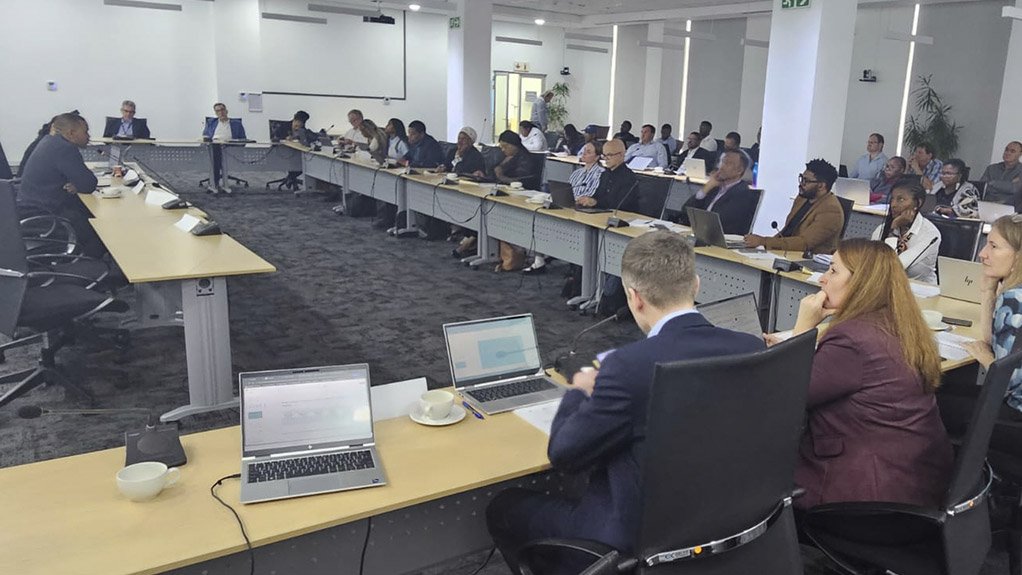
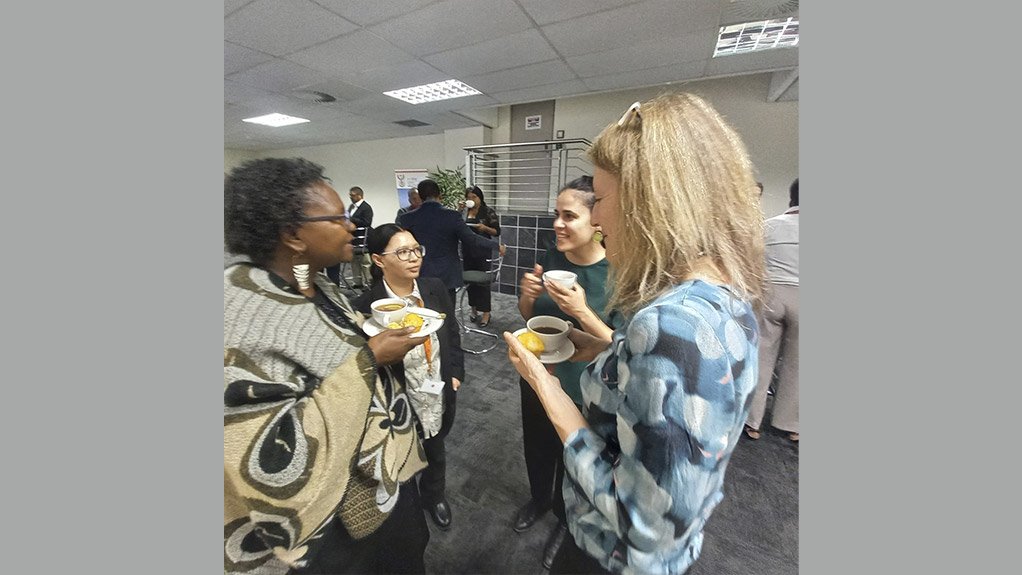
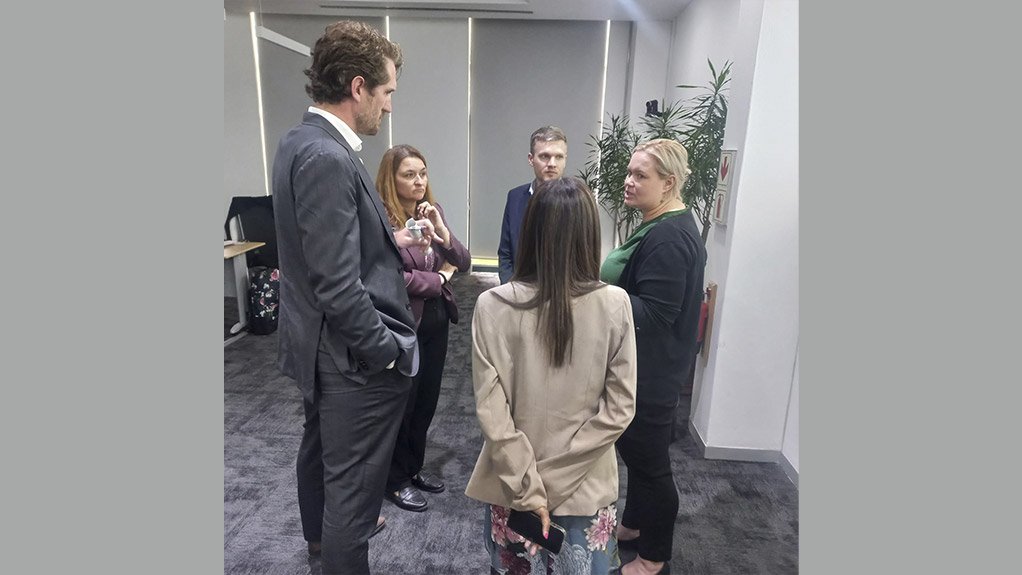
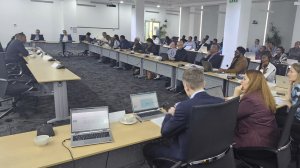
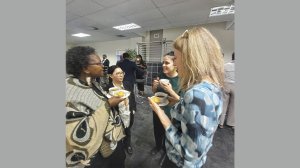
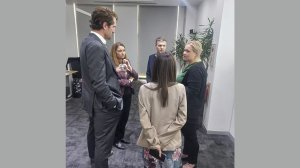
Last week, stakeholders from government, industry and civil society gathered at the dtic in Pretoria for the national validation workshop of the project. The meeting marked an important milestone ahead of the project’s submission to the Mitigation Action Facility for implementation funding in April 2026 and aimed to gather stakeholder input to finalise the project design, ensuring alignment with the needs and priorities of South Africa’s steel sector.
Senior representatives of the South African government, the IDC, the Mitigation Action Facility, the South African Iron and Steel Institute (SAISI) and UNIDO highlighted both the importance of the steel sector to South Africa’s economy and the opportunities presented by its transition to low-emission production.
“The steel industry has long been a foundational part of our industrial base, which is why the dtic requested this project to help the sector stay competitive as global markets shift toward low-emission steel,” said Mr. Gerhard Fourie, Chief Director of Green Industries at the dtic,
Mr. Sisanda Mtwazi, Director of Primary Minerals Processing and Construction at the dtic, added that the initiative should be seen not only as a response to climate pressures but also as an opportunity to strengthen the country’s industrial base: “What really encourages me about this project is that it does not only see decarbonisation as a constraint, but also recognises it as an opportunity to reposition and modernise our industrial base.”
From a financing perspective, Dr. Umeesha Naidoo, Industry Planner at the IDC, reaffirmed the institution’s commitment to supporting the sector’s transition. “The IDC has been actively working in the field of decarbonisation and supporting the Just Energy Transition in South Africa, and sees the project as an important lever to support the steel industry's competitiveness and emissions reduction pathway,” she said.
Ms. Jasmina Curic from the Technical Support Unit of Mitigation Action Facility emphasised the need for sustained public sector leadership: “Strong government commitment - through clear policies, standards and risk mitigation frameworks - is essential for unlocking investment and accelerating the steel sector’s green transition.”
Representing industry, Mr. Charles Dednam, Secretary General of SAISI, outlined industry’s approach to ensure that South African steel remains competitive in a rapidly changing global market: “The industry’s roadmap is built on four pillars - credible emissions data, a cleaner electricity supply, enabling finance, and green steel certification.”
Placing the initiative in a broader international context, Ms. Karin Reiss-Haimbala, Programme Manager in UNIDO’s Energy and Climate Action Division, noted that the project aligns with the growing global momentum around green industrialisation. “South Africa’s steel transition is essential for strengthening the sector’s competitiveness and building a resilient, low‑carbon industrial base. Through this project, UNIDO and its partners are working to stimulate local demand for low‑carbon steel and support the industry in meeting evolving international standards. It is a timely step that positions South Africa to innovate and lead in the global green steel economy .”
Workshop outcomes and next steps
Following the opening remarks, the more than 40 participants discussed the project’s components and implementation approach as well as the planned policy, technical and financial conditions needed to support the sector’s decarbonisation.
Participants highlighted the importance of creating demand for low-emission steel as a key driver of decarbonisation and stressed the need for stronger alignment between government and industry. They also emphasised the need to balance decarbonisation with the sector’s competitiveness while ensuring a just transition through workforce reskilling across the steel value chain.
The feedback will be integrated into the project documentation ahead of Project Proposal submission to the Mitigation Action Facility. Stakeholders confirmed that the overall approach aligns with their expectations.
If approved by the Board of the Mitigation Action Facility, the project will be implemented by UNIDO, in partnership with the IDC and Guidehouse Germany.
The Mitigation Action Facility is a joint initiative of the German Federal Ministry for the Environment, Climate Action, Nature Conservation and Nuclear Safety (BMUKN), the UK Department for Energy Security and Net Zero (DESNZ), the Danish Ministry of Climate, Energy and Utilities (KEFM), the Danish Ministry of Foreign Affairs (MFA), the European Union and the Children’s Investment Fund Foundation (CIFF).
Learn more about the project in the recently published factsheet, which provides an overview of the project’s objectives and expected impacts.
Article Enquiry
Email Article
Save Article
Feedback
To advertise email advertising@creamermedia.co.za or click here
Research Reports

Projects
Latest Multimedia
Latest News
Showroom
CSIR International Convention Centre (CSIR ICC) - the leading conference and events venue in Pretoria/Tshwane.
VISIT SHOWROOM
EIMS is an independent specialised environmental consulting firm offering the full spectrum of environmental management services across all sectors...
VISIT SHOWROOM
Press Office
Announcements
What's On
Subscribe to improve your user experience...
Option 1 (equivalent of R125 a month):
Receive a weekly copy of Creamer Media's Engineering News & Mining Weekly magazine
(print copy for those in South Africa and e-magazine for those outside of South Africa)
Receive daily email newsletters
Access to full search results
Access archive of magazine back copies
Access to Projects in Progress
Access to ONE Research Report of your choice in PDF format
Option 2 (equivalent of R375 a month):
All benefits from Option 1
PLUS
Access to Creamer Media's Research Channel Africa for ALL Research Reports, in PDF format, on various industrial and mining sectors
including Electricity; Water; Energy Transition; Hydrogen; Roads, Rail and Ports; Coal; Gold; Platinum; Battery Metals; etc.
Already a subscriber?
Forgotten your password?
Receive weekly copy of Creamer Media's Engineering News & Mining Weekly magazine (print copy for those in South Africa and e-magazine for those outside of South Africa)
➕
Recieve daily email newsletters
➕
Access to full search results
➕
Access archive of magazine back copies
➕
Access to Projects in Progress
➕
Access to ONE Research Report of your choice in PDF format
RESEARCH CHANNEL AFRICA
R4500 (equivalent of R375 a month)
SUBSCRIBEAll benefits from Option 1
➕
Access to Creamer Media's Research Channel Africa for ALL Research Reports on various industrial and mining sectors, in PDF format, including on:
Electricity
➕
Water
➕
Energy Transition
➕
Hydrogen
➕
Roads, Rail and Ports
➕
Coal
➕
Gold
➕
Platinum
➕
Battery Metals
➕
etc.
Receive all benefits from Option 1 or Option 2 delivered to numerous people at your company
➕
Multiple User names and Passwords for simultaneous log-ins
➕
Intranet integration access to all in your organisation