Sector faces ‘historic’ crisis amid deindustrialisation

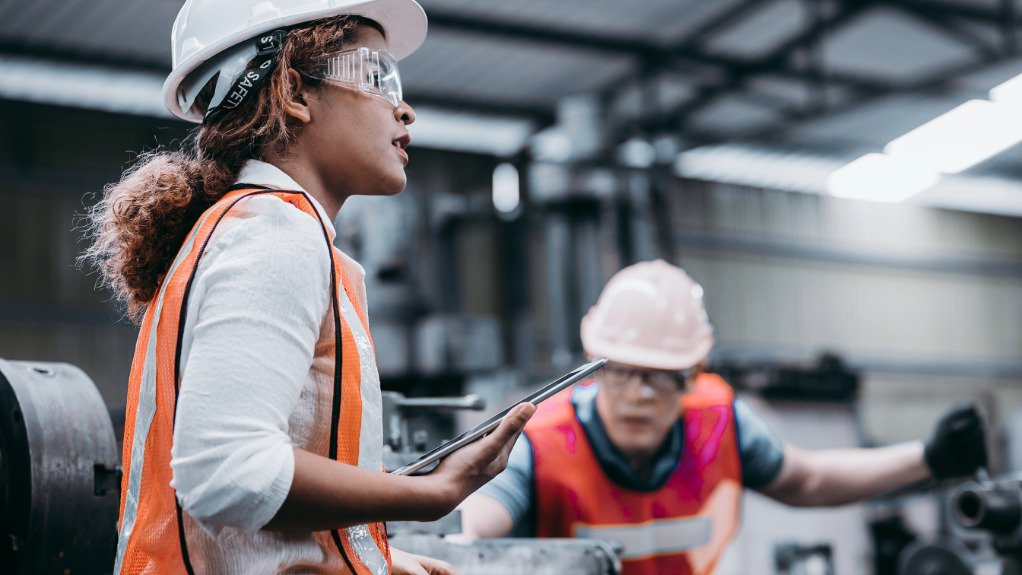
REDESIGNING POLICIES The stainless steel industry believes that the current government policies are not aligned with industrial priorities and should be redesigned
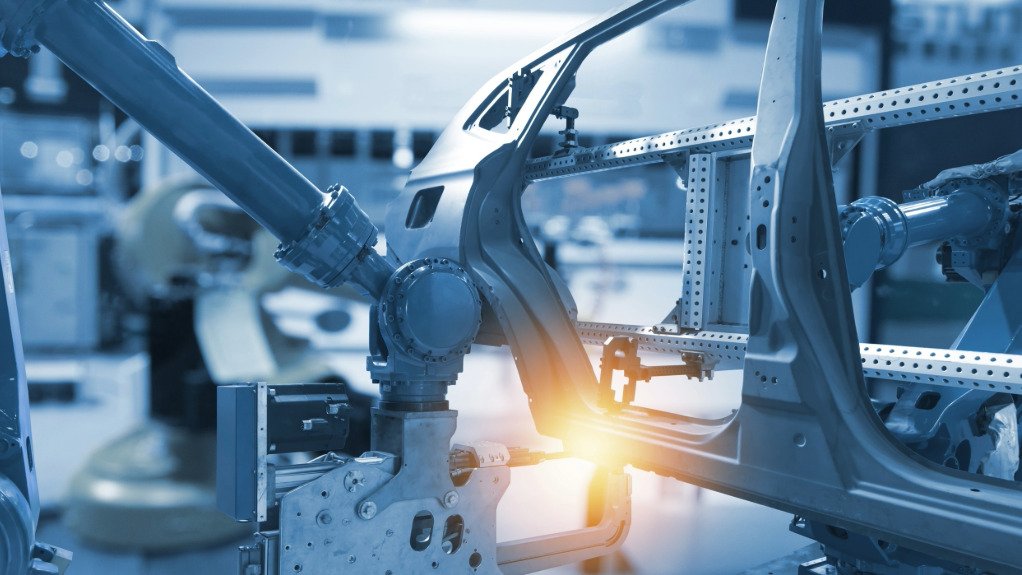
LOCALISATION RESPONSIBILITY Sassda’s strategic process session determined that partnerships between government, industry and labour are essential to rebuilding the industry and restoring global competitiveness




Following a decline in manufacturing capacity and competitiveness across virtually all sectors of the South African economy, the metals and engineering sector is facing a crisis of “historic proportions”, says industry body the Southern African Stainless Steel Development Association (Sassda) executive director Michel Basson.
Years of low capital expenditure, declining demand and policy gaps have accelerated deindustrialisation and eroded the country’s productive base. Consequently, the stainless steel sector is subject to a negative trend of retrenchment, resulting in small- and medium-sized enterprises finding it increasingly difficult to survive.
“This is concerning, since the value addition in the supply chain takes place through conversion in these companies,” Basson notes.
Further, the industry does not believe that current government policies are aligned with industrial priorities, with stakeholders calling for their redesign to place greater emphasis on the protection of the local sector.
Import regulations, including duties, should be enforced to prevent the dumping of low-quality and subsidised products in South Africa, avers Basson, adding that in many cases, adequate rules are already in place, but are not enforced.
Simultaneously, with the African Continental Free Trade Area increasingly prominent, a structured national approach to penetrate and capture African markets should be driven by the private sector and government. This would create increased demand for South African products and increase production volumes, which could, in turn, improve overall competitiveness.
“Many in the industry believe that specific and targeted incentives should be available to support manufacturing in selected sectors. This will encourage competitiveness through improved technology, skills development and investment,” he elaborates.
Improved Outlook
Basson notes that, since 2025, when South African industry had little confidence that uninterrupted energy supply would become a reality – in addition to mistrust in political leadership and capacity, resulting in the economy appearing weak – the outlook improved.
While the world remains in geopolitical turmoil, State-owned power utility Eskom now has surplus energy, albeit at a very high cost to customers.
“The Government of National Unity appears to be making progress, interest rates have declined, the rand has strengthened and the economic forecast for the country is slowly improving,” he says.
However, these improvements do not make the current conditions for the steel industry any easier, with the stainless steel subsector being unable to escape the effects of continuing deindustrialisation, structural barriers, low demand and slow economic growth.
As such, Sassda initiated a strategic process for the stainless steel industry at the end of 2025, which began with a stakeholder consultation session in January 2026, offering “valuable” direction for the future.
“Our strategic session determined that responsibility for localisation does not rest only with the government. Partnerships between government, industry and labour are essential to rebuild the industry and restore global competitiveness,” Basson adds.
The stainless steel subsector believes that major retailers could show stronger and more tangible commitment to local products.
Basson says government can support this through regulations that ensure local content, offering potential incentives to procure local goods and the mounting of a national “Buy South Africa” campaign.
Significant Opportunities
In the stainless steel value chain, more than 20 000 t of finished stainless steel goods are imported, with the majority of these imports being hollowware products such as sinks and tableware. These products compete directly with local manufacturers and, in many cases, are low-quality dumped items.
“This imported 20 000 t represents the potential to create up to 30 000 jobs in the direct and indirect value chain. This is significant,” Basson states.
If imported goods are further analysed, the largest finished goods subcategory by volume is hollowware and tableware at about 23 624 t in 2025 – averaging 2 362 t a month – with this category dominating the finished goods import profile.
This was followed by welded tubing, with 4 894 t, and fasteners, with 3 869 t.
Basson concludes that the sector “does have the added advantage that many specialised products can be manufactured only from stainless steel and must be used in food and beverage processing, medical and healthcare applications, pharmaceuticals and various industrial applications”.
Article Enquiry
Email Article
Save Article
Feedback
To advertise email advertising@creamermedia.co.za or click here
Research Reports

Projects
Latest Multimedia

Latest News
Showroom

As a reticulator, Egoli Gas provides natural gas to homes and businesses via underground pipes.
VISIT SHOWROOM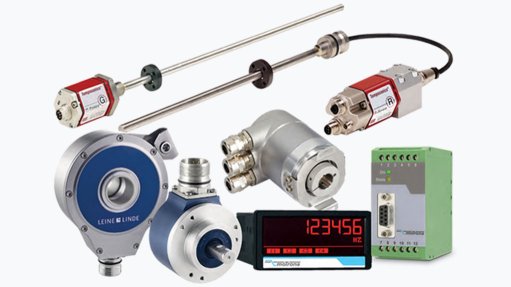
ATI systems comprises five divisions: electrical assemblies, drives and controls, feedback sensors, enclosures, and strip guiding.
VISIT SHOWROOM

Announcements
What's On
Subscribe to improve your user experience...
Option 1 (equivalent of R125 a month):
Receive a weekly copy of Creamer Media's Engineering News & Mining Weekly magazine
(print copy for those in South Africa and e-magazine for those outside of South Africa)
Receive daily email newsletters
Access to full search results
Access archive of magazine back copies
Access to Projects in Progress
Access to ONE Research Report of your choice in PDF format
Option 2 (equivalent of R375 a month):
All benefits from Option 1
PLUS
Access to Creamer Media's Research Channel Africa for ALL Research Reports, in PDF format, on various industrial and mining sectors
including Electricity; Water; Energy Transition; Hydrogen; Roads, Rail and Ports; Coal; Gold; Platinum; Battery Metals; etc.
Already a subscriber?
Forgotten your password?
Receive weekly copy of Creamer Media's Engineering News & Mining Weekly magazine (print copy for those in South Africa and e-magazine for those outside of South Africa)
➕
Recieve daily email newsletters
➕
Access to full search results
➕
Access archive of magazine back copies
➕
Access to Projects in Progress
➕
Access to ONE Research Report of your choice in PDF format
RESEARCH CHANNEL AFRICA
R4500 (equivalent of R375 a month)
SUBSCRIBEAll benefits from Option 1
➕
Access to Creamer Media's Research Channel Africa for ALL Research Reports on various industrial and mining sectors, in PDF format, including on:
Electricity
➕
Water
➕
Energy Transition
➕
Hydrogen
➕
Roads, Rail and Ports
➕
Coal
➕
Gold
➕
Platinum
➕
Battery Metals
➕
etc.
Receive all benefits from Option 1 or Option 2 delivered to numerous people at your company
➕
Multiple User names and Passwords for simultaneous log-ins
➕
Intranet integration access to all in your organisation