Recycled feedstocks advance circularity

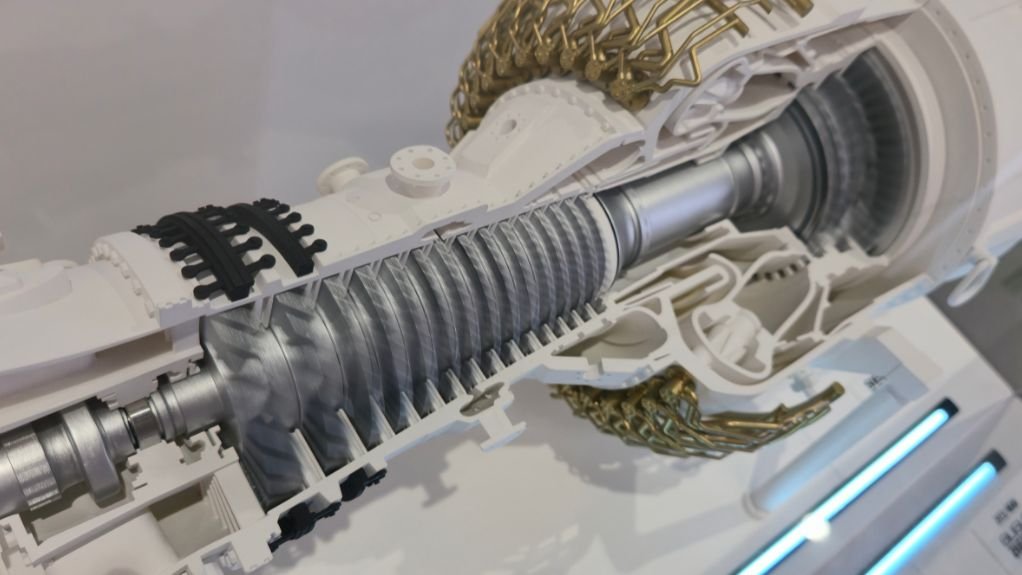
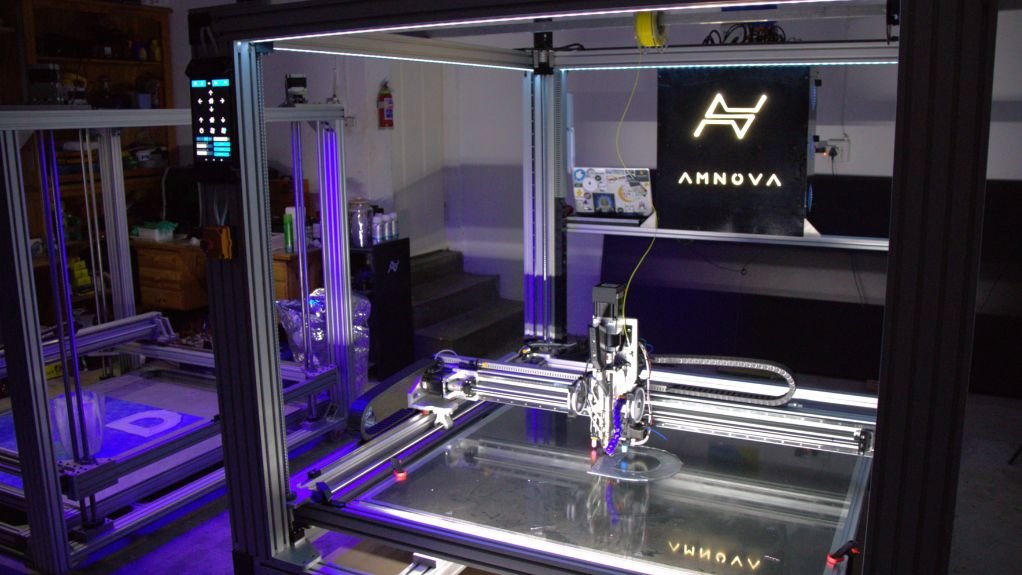
IN-HOUSE RECYCLING The development of in-house recycling and material processing capabilities at Amnova is aimed at closing the material loop
PREDICTABLE CONSUMPTION Energy consumption in additive manufacturing is more predictable, which makes it suitable for integration with renewable-energy sources




Proprietary systems are enabling the direct use of recycled materials in production, supporting the development of circular manufacturing models, says additive manufacturing company Amnova MD Denislav Marinov.
Amnova’s systems are equipped with direct pellet extrusion technology, which allows for virgin and recycled polymer feedstocks to be processed.
“This is a key enabler of circular manufacturing, as it allows waste materials to be reprocessed and directly reintegrated into production,” he adds.
The company is experimenting with a range of recycled polymers, including polyethylene terephthalate, high-density polyethylene, polypropylene and polylactic acid (PLA).
“The development of in-house recycling and material processing capabilities is aimed at closing the material loop,” he says, adding that this approach reduces reliance on imported virgin materials while lowering environmental impact and creating opportunities for locally sourced waste streams to be used as industrial inputs.
In addition to material reuse, additive manufacturing inherently supports more efficient production processes, as the technology generates minimal waste and avoids the energy-intensive tooling associated with conventional manufacturing processes.
Marinov adds that energy consumption in additive manufacturing is more predictable, which makes it suitable for integration with renewable-energy sources. Materials, such as PLA, which are bio-based, offer alternatives to petroleum-based plastics, while ongoing research is expanding the availability of recyclable and bio-derived feedstocks.
Localised Manufacturing
Beyond sustainability, Marinov says using recycled and locally sourced materials supports localisation: “Additive manufacturing reduces the need for complex supply chains, as components can be produced on demand using digital design files, limiting dependence on imported inputs.”
This contributes to supply chain resilience, as manufacturers can produce parts as needed instead of maintaining large inventories or waiting for imported components.
Additive manufacturing’s accessibility facilitates entry for a broader range of participants, with reduced capital requirements and infrastructural needs enabling small businesses and entrepreneurs to develop and manufacture products locally.
However, Marinov points out that wider adoption remains constrained by limited awareness of the technology’s capabilities, the cost of advanced systems and a lack of supporting ecosystems, including material supply chains and technical services.
Government support – such as incentives, skills development and industry integration programmes – could address these challenges and help accelerate adoption.
Article Enquiry
Email Article
Save Article
Feedback
To advertise email advertising@creamermedia.co.za or click here


Projects



Latest News


Showroom

Developed to exceed the latest EN 15964 standards for police breathalysers proving that it will remain accurate and reliable for many years to come.
VISIT SHOWROOM
Design, Construction and Maintenance of Site Erected, Welded Bulk Storage Tanks for the Petrochemical, LNG, Ammonia and Sustainable fuel Sectors.
VISIT SHOWROOM



Announcements
What's On
Subscribe to improve your user experience...
Option 1 (equivalent of R125 a month):
Receive a weekly copy of Creamer Media's Engineering News & Mining Weekly magazine
(print copy for those in South Africa and e-magazine for those outside of South Africa)
Receive daily email newsletters
Access to full search results
Access archive of magazine back copies
Access to Projects in Progress
Access to ONE Research Report of your choice in PDF format
Option 2 (equivalent of R375 a month):
All benefits from Option 1
PLUS
Access to Creamer Media's Research Channel Africa for ALL Research Reports, in PDF format, on various industrial and mining sectors
including Electricity; Water; Energy Transition; Hydrogen; Roads, Rail and Ports; Coal; Gold; Platinum; Battery Metals; etc.
Already a subscriber?
Forgotten your password?
Receive weekly copy of Creamer Media's Engineering News & Mining Weekly magazine (print copy for those in South Africa and e-magazine for those outside of South Africa)
➕
Recieve daily email newsletters
➕
Access to full search results
➕
Access archive of magazine back copies
➕
Access to Projects in Progress
➕
Access to ONE Research Report of your choice in PDF format
RESEARCH CHANNEL AFRICA
R4500 (equivalent of R375 a month)
SUBSCRIBEAll benefits from Option 1
➕
Access to Creamer Media's Research Channel Africa for ALL Research Reports on various industrial and mining sectors, in PDF format, including on:
Electricity
➕
Water
➕
Energy Transition
➕
Hydrogen
➕
Roads, Rail and Ports
➕
Coal
➕
Gold
➕
Platinum
➕
Battery Metals
➕
etc.
Receive all benefits from Option 1 or Option 2 delivered to numerous people at your company
➕
Multiple User names and Passwords for simultaneous log-ins
➕
Intranet integration access to all in your organisation