Monitoring data strengthens tailings safety, compliance

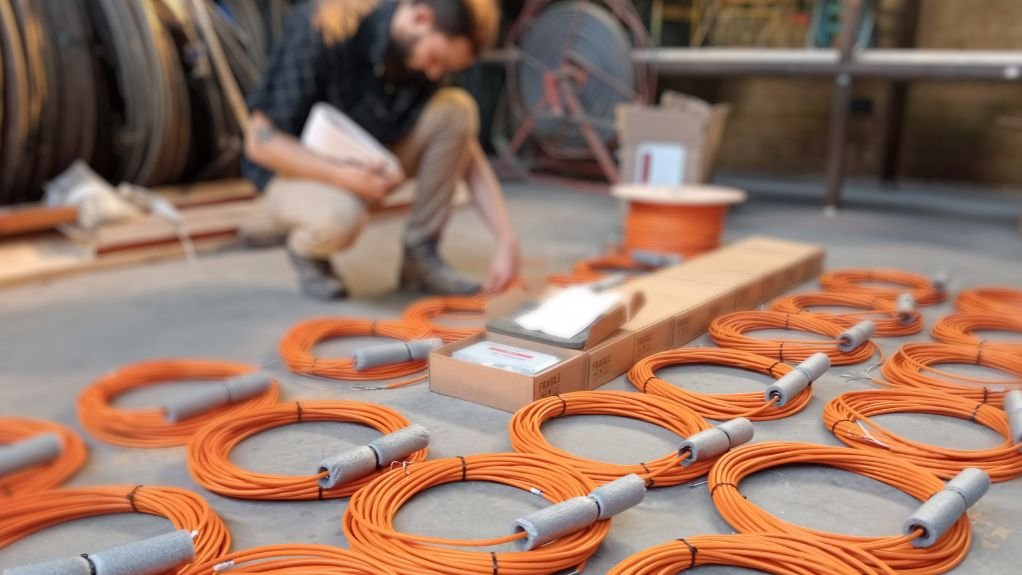
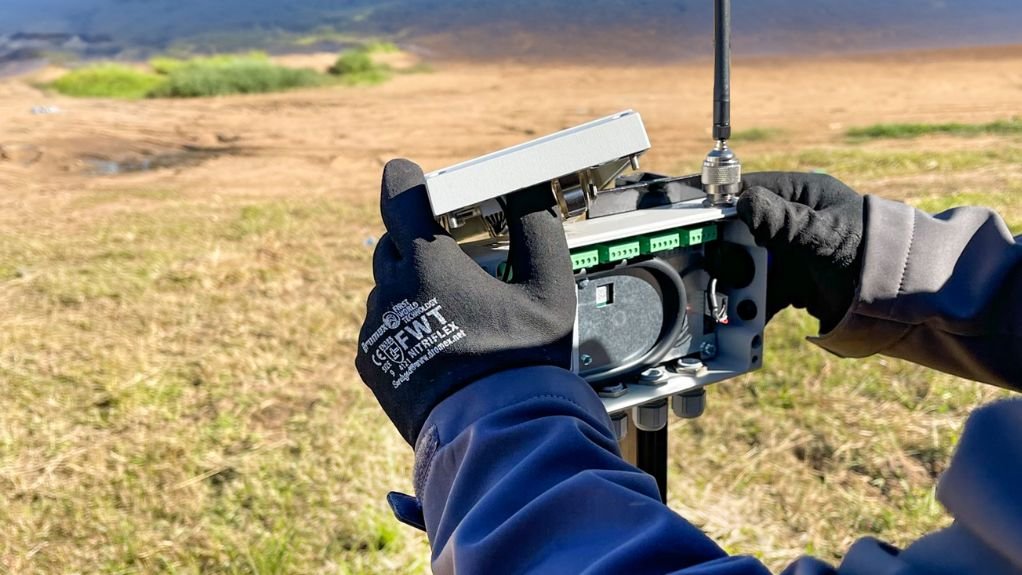
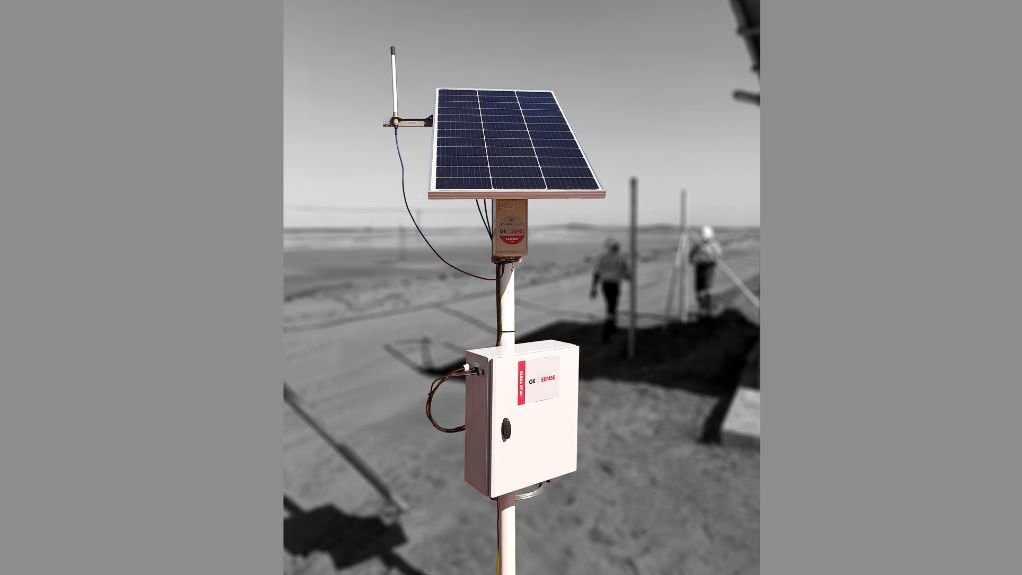
FACILITY SUPPORT Terra Monitoring has been contracted on numerous tailings storage facilities across South Africa to support facility health and assist mines in meeting the Global Industry Standard on Tailings Management requirements
IMPROVED UNDERSTANDING Tailings monitoring instrumentation has improved the understanding of pore pressure behaviour and phreatic surface movement, particularly on older or upstream facilities
EVOLVING TECHNOLOGY Technology in the tailing storage facility monitoring space is evolving, with remote and near-real-time systems using telemetry, and cellular and satellite networks to replace manual programmes
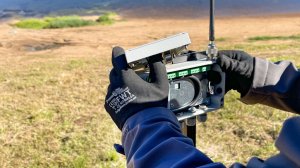
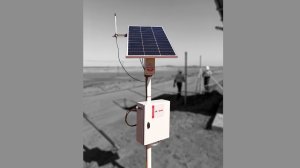


Geotechnical monitoring is playing an increasing role in improving tailings storage facility (TSF) safety, consequently allowing for earlier risk detection and more informed operational decisions, says monitoring services provider Terra Monitoring operations manager Schalk Prinsloo.
The company provides geotechnical data to support decision-making across a TSF’s life cycle, focusing on the supply, installation and management of instrumentation for long-term performance.
He adds that Terra Monitoring has been contracted across South Africa to support facility health and assist mines in meeting the Global Industry Standard on Tailings Management’s (GISTM’s) requirements at numerous TSFs.
Instrumentation is used to assess internal and surface behaviour, including vibrating wire piezometers to monitor pore water pressure and seepage, inclinometers to track lateral movement, and extensometers to measure deformation at depth.
“Additional survey-based or automated systems may be used to monitor surface displacement, with pore pressure, slope movement and deformation serving as key indicators of stability.”
Monitoring systems support trigger action response plans by activating alerts when thresholds are exceeded, supporting proactive decision-making and, despite real-time monitoring involving a short delay in data transmission, remaining an effective monitoring mechanism, adds Prinsloo.
Tailings Facility Risks
TSF risks are largely geotechnical and hydrogeological, and elevated pore water pressure can lead to slope instability and potential collapse, while seepage and internal erosion can weaken TSF structures.
Overtopping remains a risk where water balance is not controlled or during extreme rainfall; while liquefaction, foundation failure, deformation and external factors such as seismic activity can further contribute to instability, elaborates Prinsloo.
For overall TSF management, monitoring data is used to guide operational response, including interventions where required.
Tailings monitoring instrumentation has improved the understanding of pore pressure behaviour and phreatic surface movement, particularly on older or upstream facilities. He adds that instrumentation layouts are designed to meet “engineer-of- record” requirements, while proper installation and calibration ensure data quality.
However, Prinsloo highlights several challenges in implementing TSF monitoring systems across Africa.
“Remote locations often lack reliable power and connectivity, while cost pressures can limit instrumentation, particularly on older facilities. Gaps in technical understanding may affect data use, and environmental conditions can impact [on] instrument durability. Security risks, such as vandalism or illegal mining, can also damage infrastructure.”
Aligning with evolving regulatory requirements, where standards are not enforced consistently, also remains a challenge, he adds.
Nonetheless, technology in the TSF monitoring space is evolving, with remote and near-real-time systems using telemetry, and cellular and satellite networks to replace manual programmes.
Article Enquiry
Email Article
Save Article
Feedback
To advertise email advertising@creamermedia.co.za or click here

Projects

Latest News

Showroom
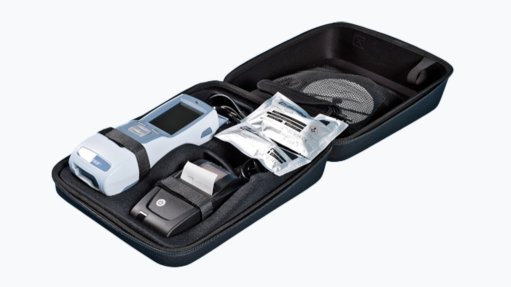
Developed to exceed the latest EN 15964 standards for police breathalysers proving that it will remain accurate and reliable for many years to come.
VISIT SHOWROOM
Design, Construction and Maintenance of Site Erected, Welded Bulk Storage Tanks for the Petrochemical, LNG, Ammonia and Sustainable fuel Sectors.
VISIT SHOWROOM


Announcements
What's On
Subscribe to improve your user experience...
Option 1 (equivalent of R125 a month):
Receive a weekly copy of Creamer Media's Engineering News & Mining Weekly magazine
(print copy for those in South Africa and e-magazine for those outside of South Africa)
Receive daily email newsletters
Access to full search results
Access archive of magazine back copies
Access to Projects in Progress
Access to ONE Research Report of your choice in PDF format
Option 2 (equivalent of R375 a month):
All benefits from Option 1
PLUS
Access to Creamer Media's Research Channel Africa for ALL Research Reports, in PDF format, on various industrial and mining sectors
including Electricity; Water; Energy Transition; Hydrogen; Roads, Rail and Ports; Coal; Gold; Platinum; Battery Metals; etc.
Already a subscriber?
Forgotten your password?
Receive weekly copy of Creamer Media's Engineering News & Mining Weekly magazine (print copy for those in South Africa and e-magazine for those outside of South Africa)
➕
Recieve daily email newsletters
➕
Access to full search results
➕
Access archive of magazine back copies
➕
Access to Projects in Progress
➕
Access to ONE Research Report of your choice in PDF format
RESEARCH CHANNEL AFRICA
R4500 (equivalent of R375 a month)
SUBSCRIBEAll benefits from Option 1
➕
Access to Creamer Media's Research Channel Africa for ALL Research Reports on various industrial and mining sectors, in PDF format, including on:
Electricity
➕
Water
➕
Energy Transition
➕
Hydrogen
➕
Roads, Rail and Ports
➕
Coal
➕
Gold
➕
Platinum
➕
Battery Metals
➕
etc.
Receive all benefits from Option 1 or Option 2 delivered to numerous people at your company
➕
Multiple User names and Passwords for simultaneous log-ins
➕
Intranet integration access to all in your organisation