




Indaba should spotlight policy certainty, investment, exploration

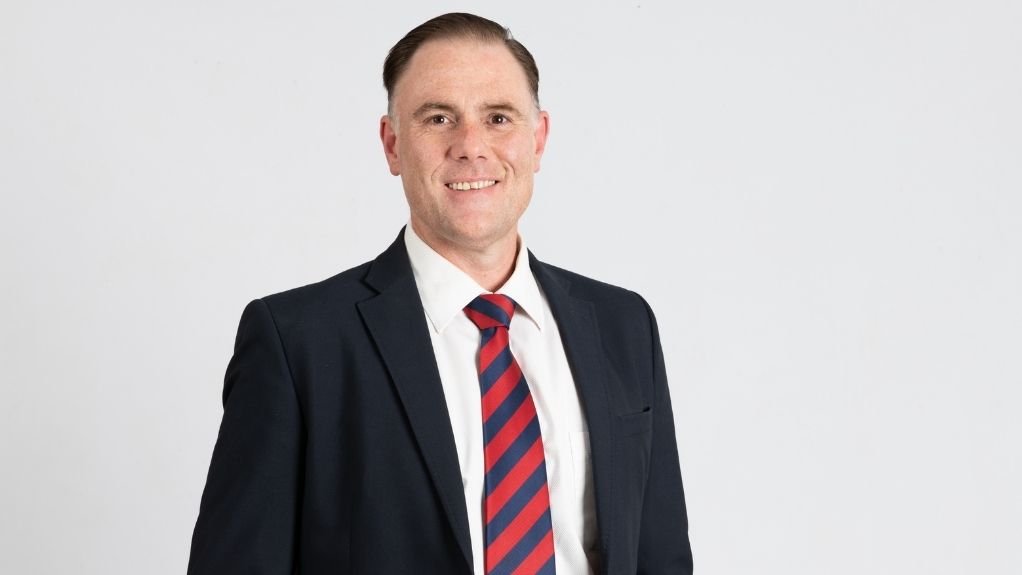
FRANK BLACKMORE To attract significantly high levels of investment, several key requirements need to be addressed



Discussions at the upcoming Investing in African Mining Indaba need to centre on how South Africa can unlock the full potential of its mining sector, says professional services firm KPMG lead economist Frank Blackmore.
Speaking to Mining Weekly ahead of the conference, to be held at the Cape Town International Convention Centre, from February 9 – 12, he says that despite the African mining sector remaining critical to economic growth, employment creation and export earnings, it continues to underperform relative to its potential.
Mining does not operate in isolation as it supports a wide range of supply chains that can drive downstream manufacturing and industrial development, continues Blackmore.
In addition, he says the sector plays a major role in generating foreign exchange through exports, which is especially important in the current global environment.
Related discussions are urgent as many global economies are undergoing a Just Energy Transition towards cleaner and more sustainable energy sources, states Blackmore, adding that South Africa is well positioned in this regard, as it hosts many of the natural resources required for this transition.
“These resources should be leveraged to develop the economy, reduce poverty and draw more people into productive economic activity,” he says.
However, Blackmore points out that the mining and quarrying sector’s contribution to South Africa’s GDP has declined significantly since the advent of democracy.
“In real terms, the sector contributed about 11.5% less to GDP in 2024 than it did in 1994,” he says, adding context that total GDP grew by 95% in real terms over this period or about 2.3% a year.
If the mining sector would have grown at the same 2.3%, in line with the broader economy, Blackmore says the sector would be estimated to produce R450-billion, which is more than double the current R205-billion produced in real terms.
This decline is attributable to a combination of policy mishaps, policy uncertainty, deteriorating infrastructure and therefore an inability to attract sufficient investment, he states.
“A particular concern is the weak performance of mineral exploration, which is essential for the long-term sustainability of the sector,” adds Blackmore.
Nonetheless, he highlights that history shows how powerful the sector can be when conditions are favourable.
“During cyclical upturns, such as the commodities boom of 2000s up until the global financial crisis in 2008, mining made a substantial contribution to State revenues, helping to ease pressure on tax increases and government spending cuts,” highlights Blackmore.
Such benefits could be achieved on a “much larger scale” if mining were treated as a central pillar of economic development, he says; however, this would require significantly higher levels of investment from both domestic and international companies.
To attract such investment, Blackmore says that several key requirements need to be addressed, such as improved management of the mining sector, policy reforms to make the industry more investment-friendly, and a stronger focus on creating a stable and predictable operating environment.
“Many of these issues are expected to feature prominently at the Mining Indaba, where KPMG will have a presence and engage with industry stakeholders,” he confirms.
“South Africa needs to take the mining sector far more seriously as a driver of future growth, especially at a time when global demand for its natural resources is increasing sharply”, concludes Blackmore.