Eskom and ferrochrome producers strike 62c/kWh deal, with Nersa process to follow

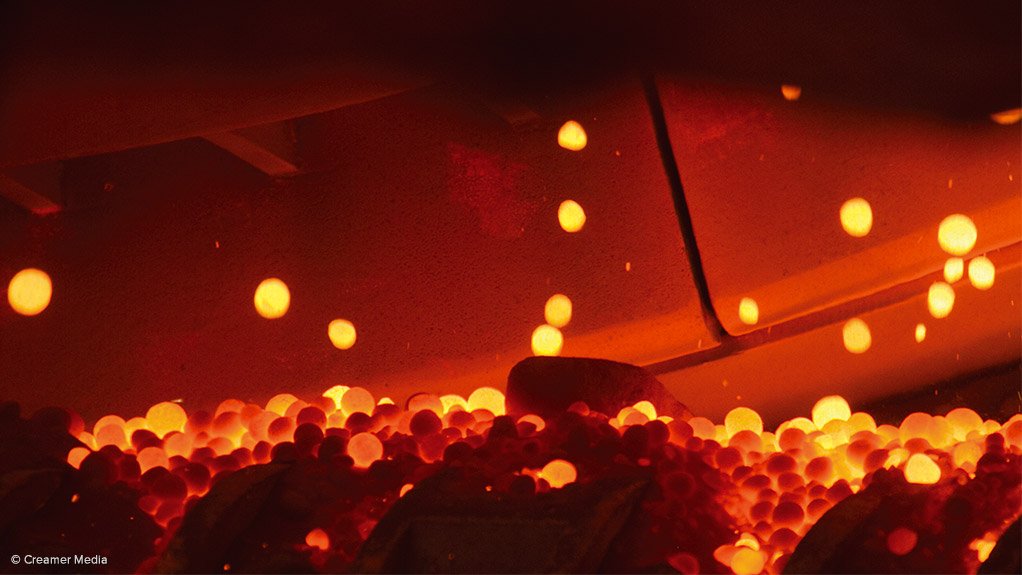


Electricity utility Eskom has announced the conclusion of a much-anticipated 62c/kWh electricity tariff deal with ferrochrome producers Glencore-Merafe Chrome Venture and Samancor Chrome.
The State-owned company also reiterated that the concluded agreements remained subject to approval by the National Electricity Regulator of South Africa (Nersa).
In a statement, Eskom said the agreements had been negotiated between the Eskom Smelter Task Team and the two ferrochrome producers, both of which had been pursuing retrenchment processes at their smelters in parallel, citing high electricity prices as the main impediment to sustaining operations.
Glencore-Merafe had twice postponed the termination date for its Section 189 retrenchment process to allow the negotiations to continue.
In a statement, Glencore-Merafe confirmed that it had provisionally accepted the offer, subject to certain clarification points and conditions.
The conditions were not immediately provided, but it was indicated that the deal would be for five years.
The ferrochrome venture described the development as an important milestone in relation to the revised terms and conditions of the proposed tariff.
"Eskom’s submission of the proposed tariff and revised terms and conditions to Nersa brings the industry closer to achieving a more sustainable operating environment," the venture added in its statement.
The final acceptance remained conditional upon the wider ferrochrome industry agreeing to the final terms and conditions and subsequent approval by Nersa, however.
Eskom indicated that Nersa was expected to conduct a public consultation process on the agreements in due course and indicated previously that the terms and conditions would be made transparent during that process.
However, Eskom also said the dissemination of specific agreement details fell under Nersa’s purview, and the extent of such disclosure would be governed by its internal protocols and regulatory limitations, in line with the need to respect the commercial confidentiality of Samancor Chrome and Glencore–Merafe Chrome.
"Given the significance of this matter for employees, communities, and the broader ferrochrome sector, the Venture requests that the regulatory process be treated as urgent, with a target of completion within 30 days," Glencore-Merafe said.
"To align with the regulatory timeline, the termination date of the Section 189 process has been extended to 11 May 2026," it added.
Eskom said the tariff intervention improved its liquidity without requiring higher tariffs, additional borrowing, or further government support."
The utility had indicated previously that the initial revenue shortfall of about R10-billion would be met through the envelope provided under the R230-billion debt-relief package extended to it by the National Treasury.
Eskom said the deal also provided it with predictable sales volumes for up to the next five years and protected public investments made in the utility, as well as its ability to support reindustrialisation and economic growth.
Eskom Group CEO Dan Marokane added that without the success of Eskom’s turnaround over the past three years, it would not have been in a position to support the ferrochrome industry or prevent job losses.
"Eskom will continue to work tirelessly with intergovernmental teams, labour, producers and stakeholders to balance Eskom’s financial sustainability and regulatory responsibilities so that it can play its part in delivering electricity to drive economic growth,” Marokane said.
Meanwhile, Eskom said that it recognised that the entire ferroalloy and iron and steel segments were experiencing sustained pressure and indicated that these sectors would be prioritised for amended negotiated pricing agreements ahead of other smelter sectors.
"For these segments, pricing will be determined through a structured, bottom‑up assessment that takes into account the cost of production, electricity intensity, and exposure to commodity prices. This is not a uniform approach; rather, it allows for tailored pricing solutions specific to each smelter."
Article Enquiry
Email Article
Save Article
Feedback
To advertise email advertising@creamermedia.co.za or click here
Research Reports

Projects
Latest Multimedia

Latest News
Showroom
Roytec Global is an international company specializing in liquid / solid and mineral separation technologies for the Mining and Industrial sectors.
VISIT SHOWROOM
Electrifying the world in a safe, smart, and sustainable way, ABB Electrification is a global technology leader in electrical distribution and...
VISIT SHOWROOM
Press Office
Announcements
What's On
Subscribe to improve your user experience...
Option 1 (equivalent of R125 a month):
Receive a weekly copy of Creamer Media's Engineering News & Mining Weekly magazine
(print copy for those in South Africa and e-magazine for those outside of South Africa)
Receive daily email newsletters
Access to full search results
Access archive of magazine back copies
Access to Projects in Progress
Access to ONE Research Report of your choice in PDF format
Option 2 (equivalent of R375 a month):
All benefits from Option 1
PLUS
Access to Creamer Media's Research Channel Africa for ALL Research Reports, in PDF format, on various industrial and mining sectors
including Electricity; Water; Energy Transition; Hydrogen; Roads, Rail and Ports; Coal; Gold; Platinum; Battery Metals; etc.
Already a subscriber?
Forgotten your password?
Receive weekly copy of Creamer Media's Engineering News & Mining Weekly magazine (print copy for those in South Africa and e-magazine for those outside of South Africa)
➕
Recieve daily email newsletters
➕
Access to full search results
➕
Access archive of magazine back copies
➕
Access to Projects in Progress
➕
Access to ONE Research Report of your choice in PDF format
RESEARCH CHANNEL AFRICA
R4500 (equivalent of R375 a month)
SUBSCRIBEAll benefits from Option 1
➕
Access to Creamer Media's Research Channel Africa for ALL Research Reports on various industrial and mining sectors, in PDF format, including on:
Electricity
➕
Water
➕
Energy Transition
➕
Hydrogen
➕
Roads, Rail and Ports
➕
Coal
➕
Gold
➕
Platinum
➕
Battery Metals
➕
etc.
Receive all benefits from Option 1 or Option 2 delivered to numerous people at your company
➕
Multiple User names and Passwords for simultaneous log-ins
➕
Intranet integration access to all in your organisation