Dewatered tailings systems gaining traction

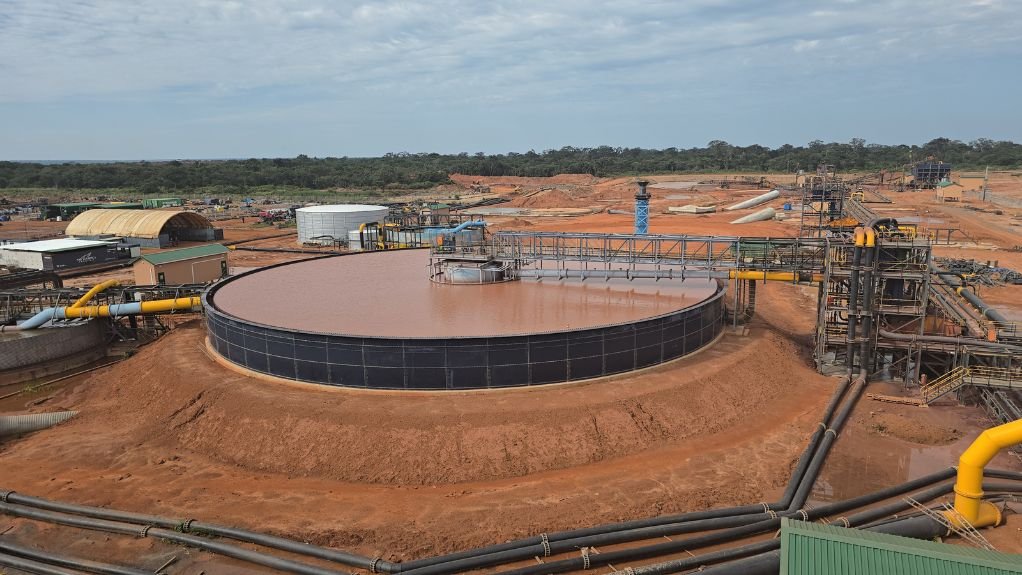
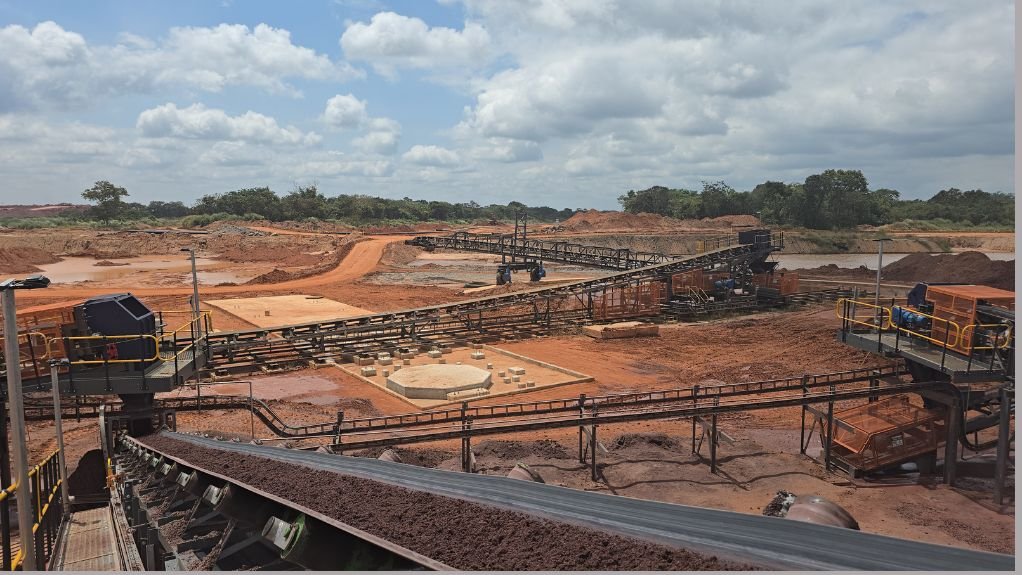
INDUSTRY SPECIALISTS Consulmet works with industry specialists to conduct metallurgical testwork programmes to develop and optimise tailings dewatering systems
MULTIPLE FACTORS The design and selection of a Tailings Storage Facility is governed by multiple project-specific factors, including regulatory compliance, safety considerations, geotechnical drivers, deposition characterisation and process technology selection
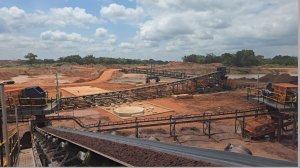


Dewatered tailings systems are receiving increased attention as the mining and tailings retreatment industry responds to tailings storage facility (TSF) failures and evolving legislative requirements, says mineral processing solutions provider Consulmet senior process engineer Quinton Phillips.
This shift has placed renewed emphasis on process solutions that prioritise long-term stability and safer deposition technologies.
In terms of catering towards dewatered tailings systems, Consulmet supports clients in evaluating TSF solutions through engineering-led assessments focused on safety, sustainability and value recovery.
According to Phillips, the design and selection of a TSF is governed by multiple project-specific factors, including regulatory compliance, safety considerations, geotechnical drivers, deposition characterisation and process technology selection.
“Consulmet works with industry specialists to conduct metallurgical testwork programmes to develop and optimise tailings dewatering systems,” he explains.
Phillips cites the Luele kimberlite project, of Angolan mining company Endiama, as an example of this approach. The project’s 1 500 t/h kimberlite treatment plant, deployed in three phases of 500 t/h components each, incorporates both thickening technology linked to a TSF and solid bowl decanter centrifuge technology.
He explains that, for each phase, plant slimes effluent is thickened through a 50-m-diameter high-rate deep cone thickener, producing an underflow of about 30% solids content by mass, which is pumped to the TSF.
The system enables further dewatering through a solid bowl decanter to achieve a lower moisture product, targeting a solids by mass content of 70%.
“This dual-path tailings processing circuit offers the operational flexibility crucial to accommodate the inherent variability in feed ore expected over a 70-year life-of-mine,” says Phillips.
The engineering design of this plant was informed by onsite testwork, including settling flux and rise-rate analysis across different ore types, he explains, adding that the final thickener design incorporates a higher sidewall height, an ultraheavy-duty, high-torque drive and a dual-slope cone angle suited to high yield stress slurry rheology.
Phillips notes that mineralogical assessments were also conducted to evaluate clay characteristics and their impact on downstream filtration, owing to the filtration technology selection being influenced by the specific clay composition of the ore.
Trafficability
Currently, there is no universally accepted bench-scale test to fully assess the challenge of trafficability of dewatered fines, says Phillips. As a result, Consulmet adopted a staged implementation approach for the filtration circuit at Luele.
“The ‘real-world’ observation approach allows the engineering team to adjust and refine the downstream conveying and stacking systems to suit the actual in-practice behaviour of the product,” he says, noting that solid bowl decanters were deployed in stages to treat only a portion of the slimes during initial trials.
Article Enquiry
Email Article
Save Article
Feedback
To advertise email advertising@creamermedia.co.za or click here
Research Reports


Projects
Latest Multimedia

Latest News

Showroom

The SAIMM started as a learned society in 1894 after the invention of the cyanide process that saved the South African gold mining industry of the...
VISIT SHOWROOM
ISO-certified Condra manufactures overhead cranes, portal cranes, cantilever cranes and crane components: hoists, drives, end-carriages, brakes and...
VISIT SHOWROOM

Announcements
What's On
Subscribe to improve your user experience...
Option 1 (equivalent of R125 a month):
Receive a weekly copy of Creamer Media's Engineering News & Mining Weekly magazine
(print copy for those in South Africa and e-magazine for those outside of South Africa)
Receive daily email newsletters
Access to full search results
Access archive of magazine back copies
Access to Projects in Progress
Access to ONE Research Report of your choice in PDF format
Option 2 (equivalent of R375 a month):
All benefits from Option 1
PLUS
Access to Creamer Media's Research Channel Africa for ALL Research Reports, in PDF format, on various industrial and mining sectors
including Electricity; Water; Energy Transition; Hydrogen; Roads, Rail and Ports; Coal; Gold; Platinum; Battery Metals; etc.
Already a subscriber?
Forgotten your password?
Receive weekly copy of Creamer Media's Engineering News & Mining Weekly magazine (print copy for those in South Africa and e-magazine for those outside of South Africa)
➕
Recieve daily email newsletters
➕
Access to full search results
➕
Access archive of magazine back copies
➕
Access to Projects in Progress
➕
Access to ONE Research Report of your choice in PDF format
RESEARCH CHANNEL AFRICA
R4500 (equivalent of R375 a month)
SUBSCRIBEAll benefits from Option 1
➕
Access to Creamer Media's Research Channel Africa for ALL Research Reports on various industrial and mining sectors, in PDF format, including on:
Electricity
➕
Water
➕
Energy Transition
➕
Hydrogen
➕
Roads, Rail and Ports
➕
Coal
➕
Gold
➕
Platinum
➕
Battery Metals
➕
etc.
Receive all benefits from Option 1 or Option 2 delivered to numerous people at your company
➕
Multiple User names and Passwords for simultaneous log-ins
➕
Intranet integration access to all in your organisation